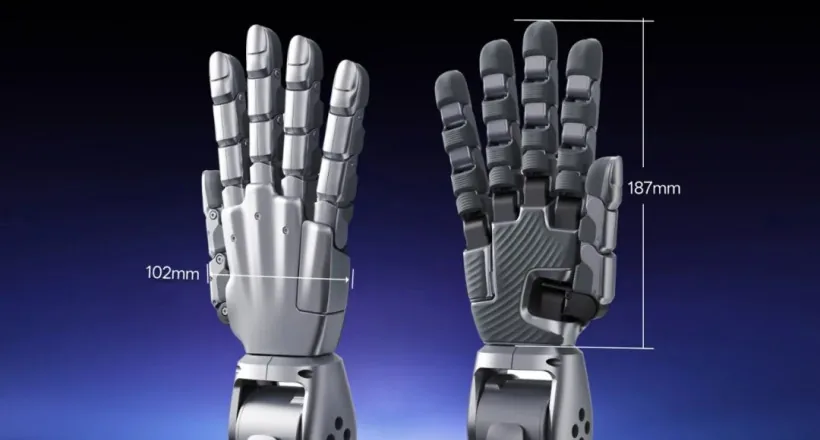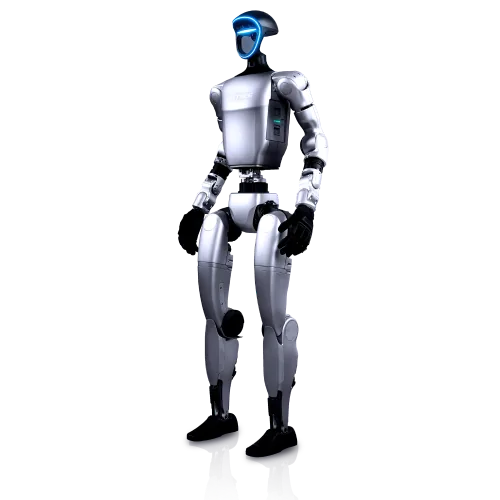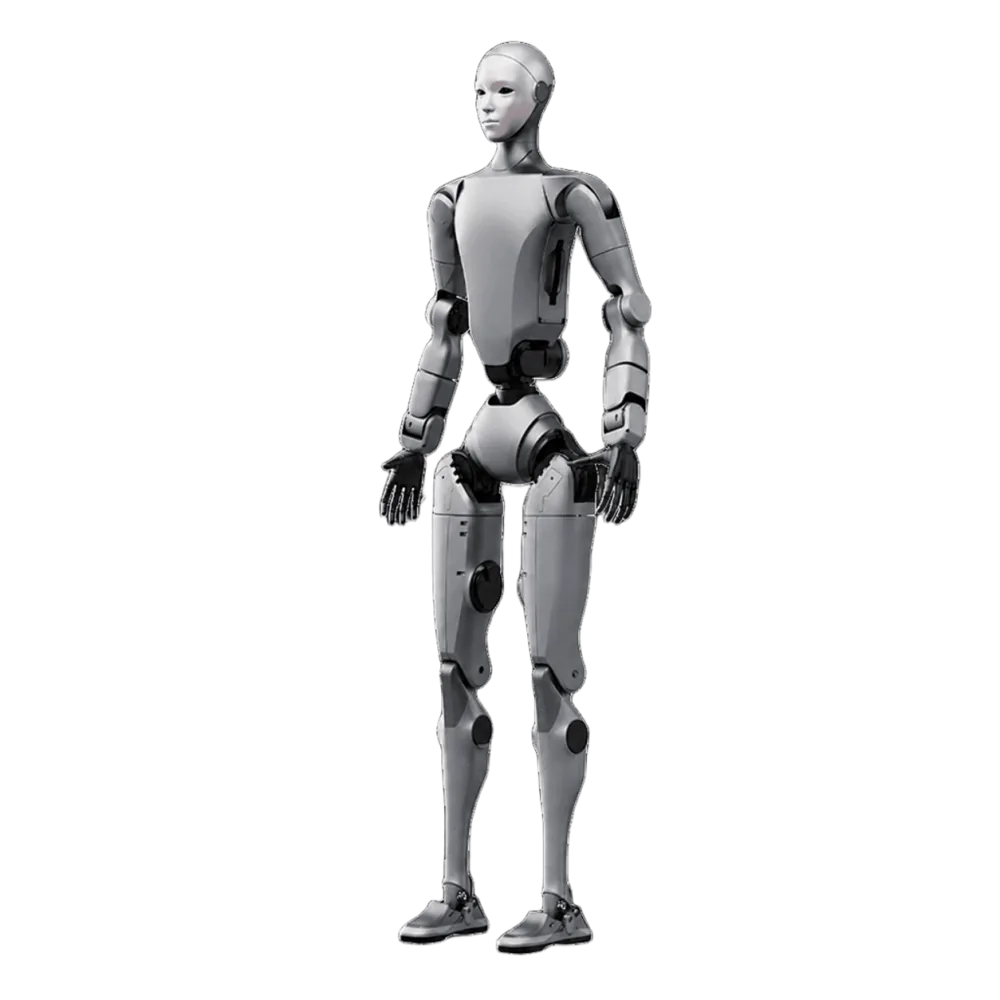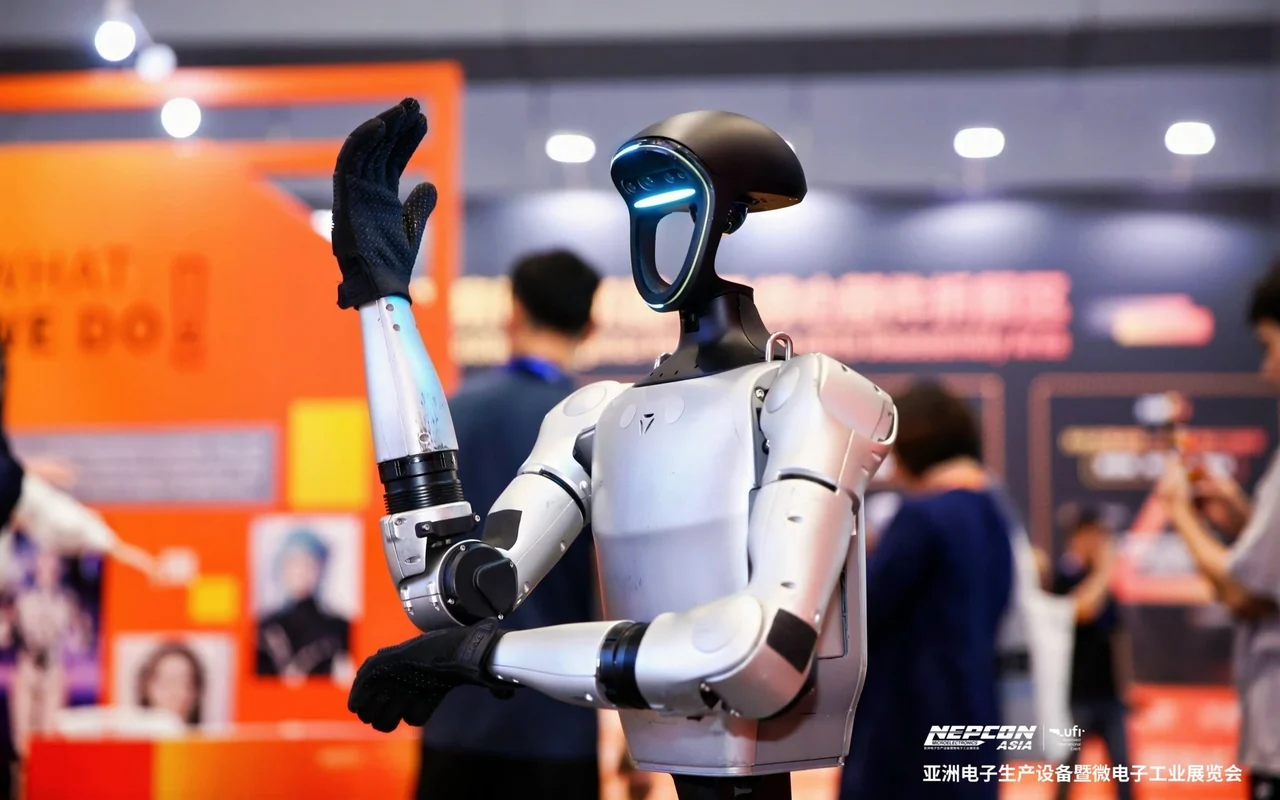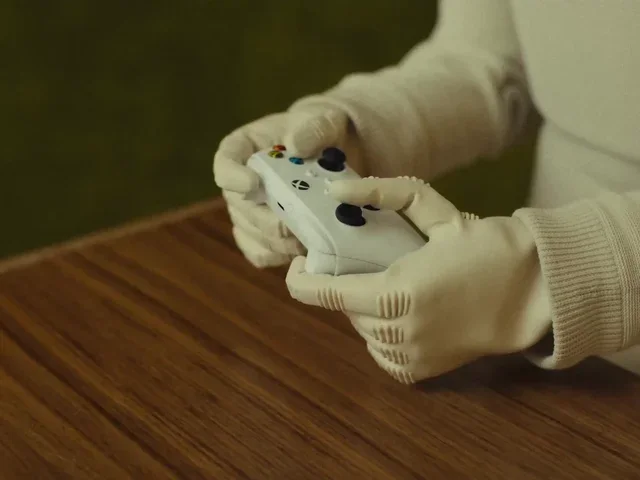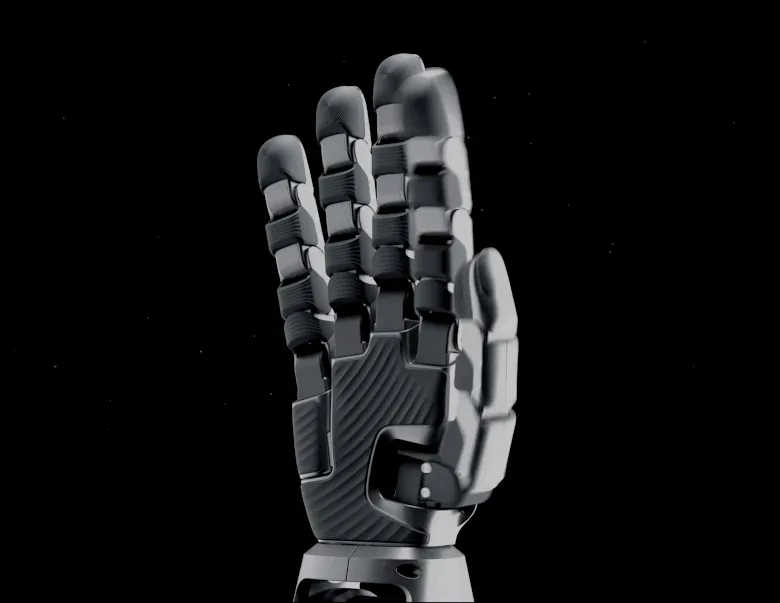
On September 21, Unitree Robotics unveiled the Dex5-S — a five-fingered hand for humanoids and research rigs. Its size is almost human: 102 × 187 × 26 mm, weight about 620 g, aluminum alloy body. Starting price in China: 39,900 yuan per hand.
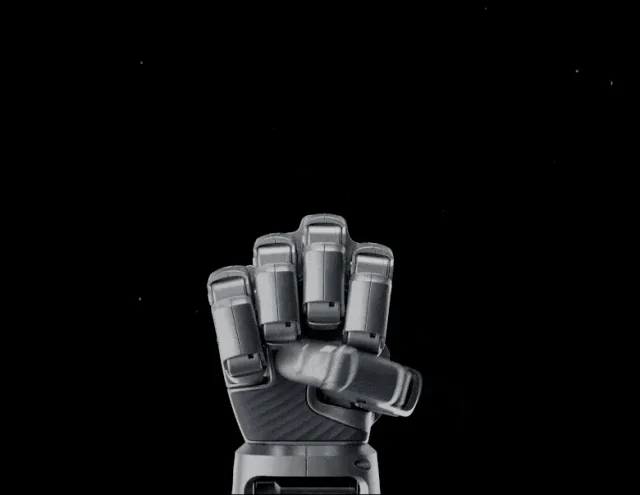
The hand has 22 degrees of freedom, each with its own motor: five for the thumb, four each for the index, middle, and ring fingers, and five for the pinky. Compared to the previous Dex5, the pinky now has an extra roll axis, expanding grip options. All 22 actuators use dual encoders and allow backdriving: joints can be moved by external force, so the hand yields under hard contact instead of breaking. A dedicated unit protects the gears from shock overload.
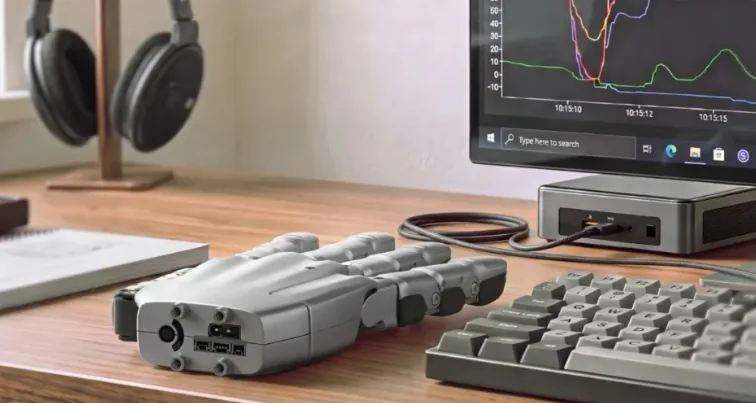
Peak load per hand is about 2 kg, with continuous operation at around 1 kg. Power supply: 15–65 V via XT30 connector, peak power 200 W. Connectivity includes gigabit Ethernet, USB, and high-speed RS-485; control frequency via Ethernet and USB up to 1,000 Hz. In gigabit mode, the palm camera connects directly to the hand, no extra wiring along the robot arm needed.
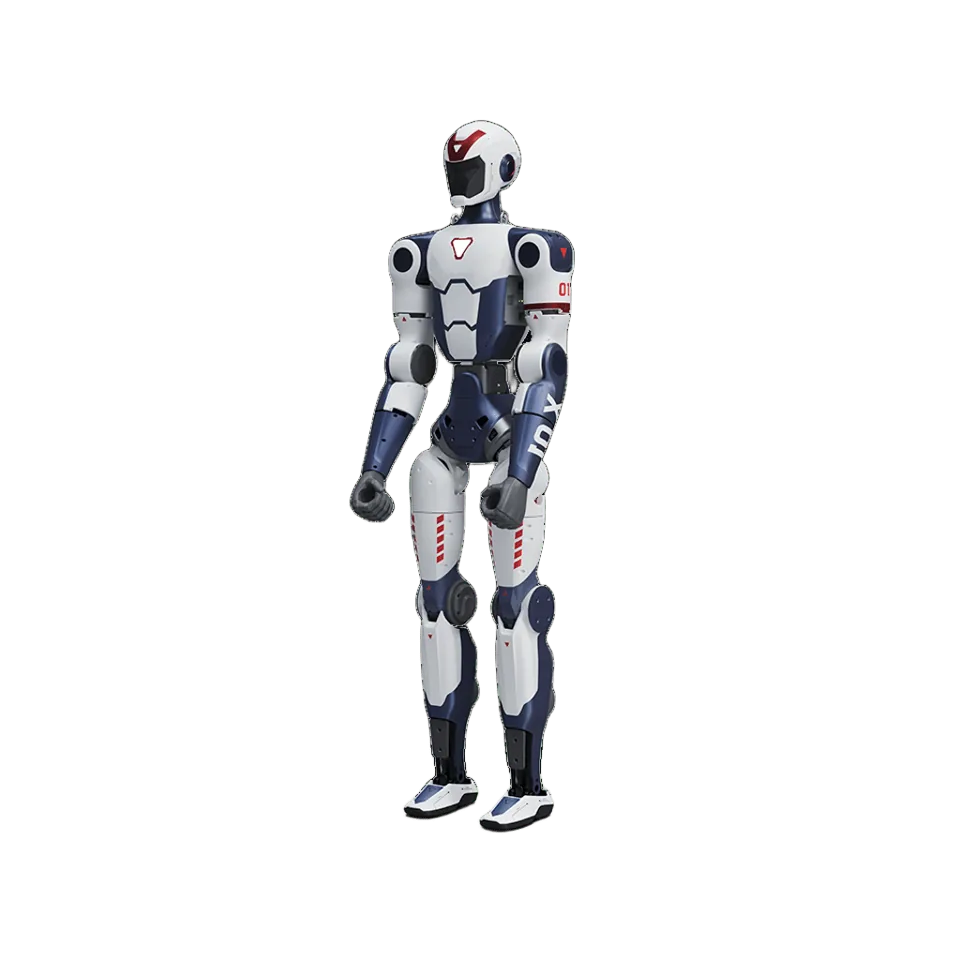
The hand comes in two versions: standard and Pro, which adds tactile sensors. In demo videos, the Dex5-S unscrews lids, opens cans, solves a Rubik’s Cube, and cuts paper with scissors; the manufacturer lists compatibility with G1 and H1 humanoids. Detailed specs on joint torque, fingertip force, and mounting schemes are not yet available.
For the market, price is the key factor. A pair of hands costs about 80,000 yuan without controllers, mounts, or integration — much less than many research solutions with similar degrees of freedom. For labs and integrators already working with G1 or H1, Dex5-S enables fine manipulation without switching platforms. When choosing a version, decide upfront if you need tactile sensors: they’re important for learning to grasp soft and fragile objects.