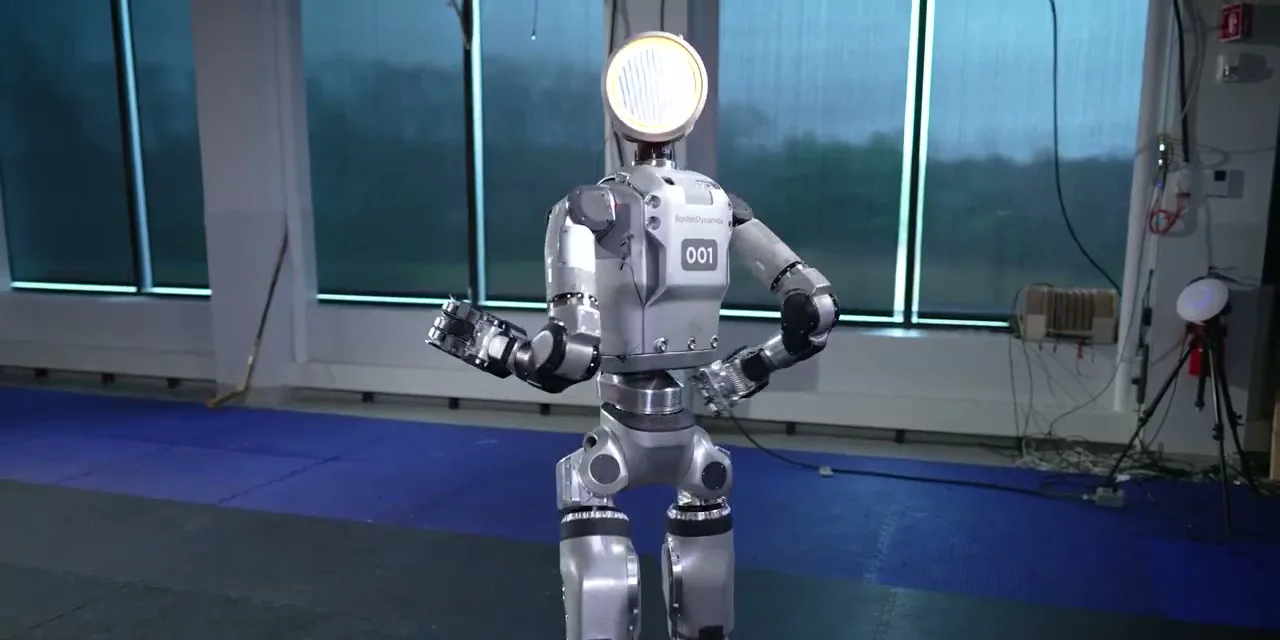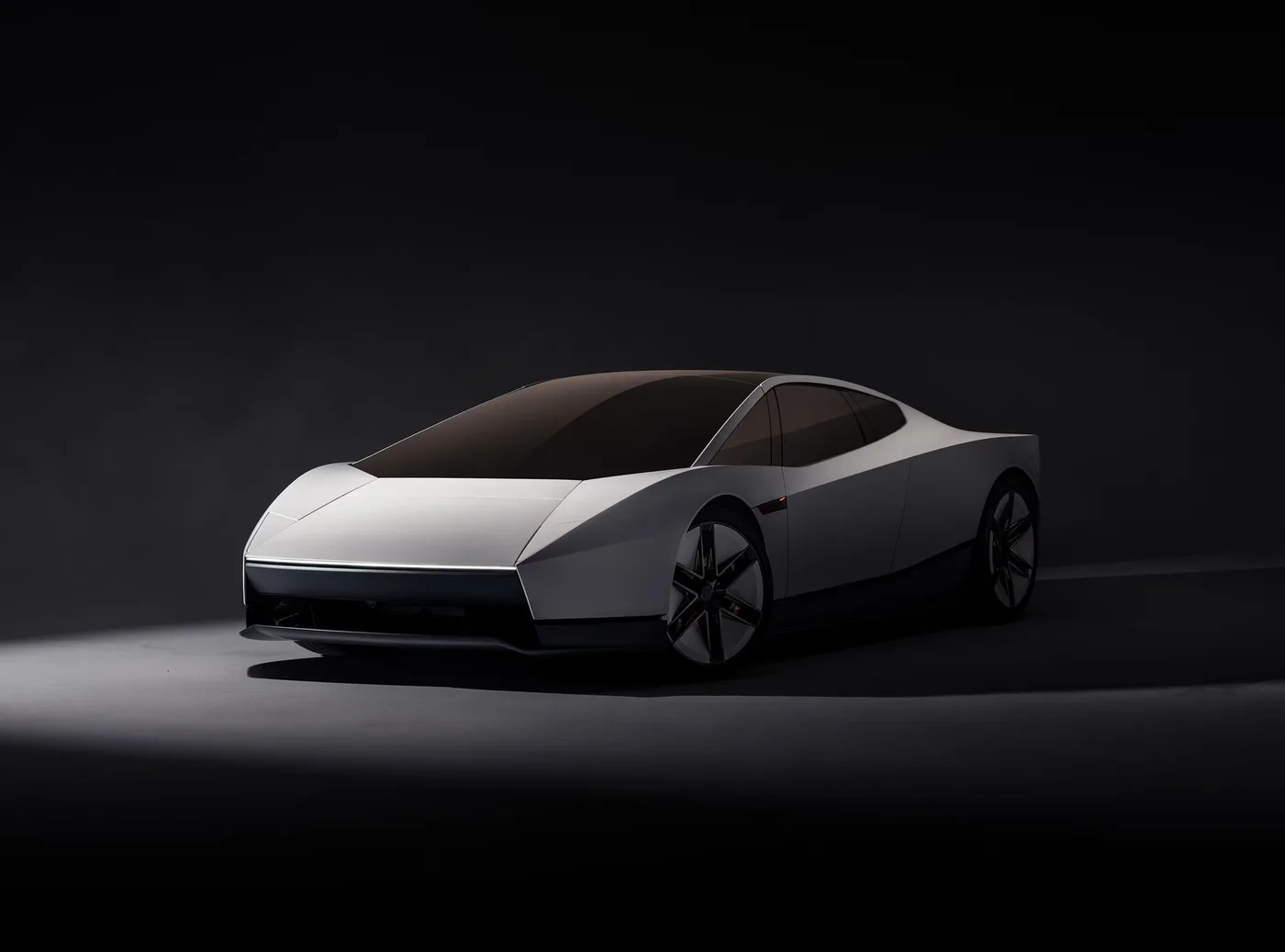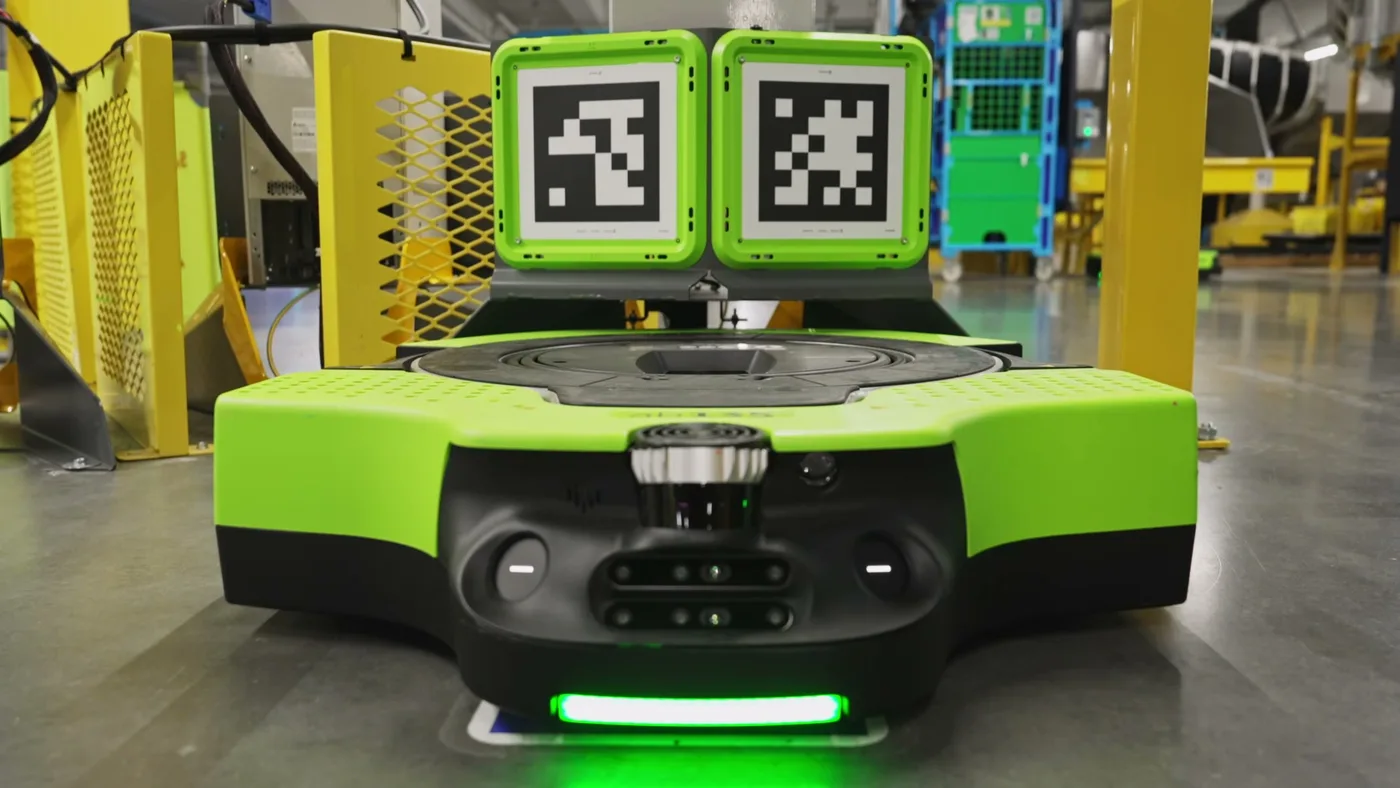
Robots already help process three out of four Amazon orders. Back in June 2025 the company installed its millionth robot, at a warehouse in Japan. Here is how this army looks from the inside.
Who does what in the warehouse
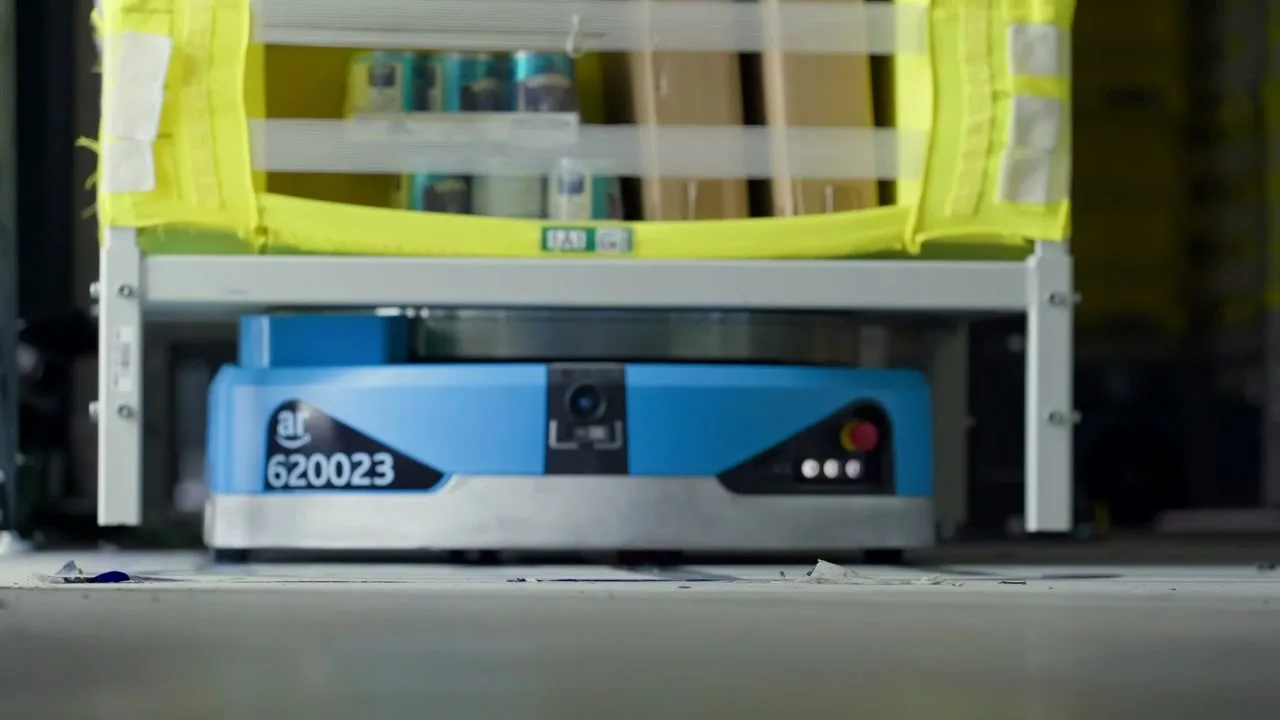
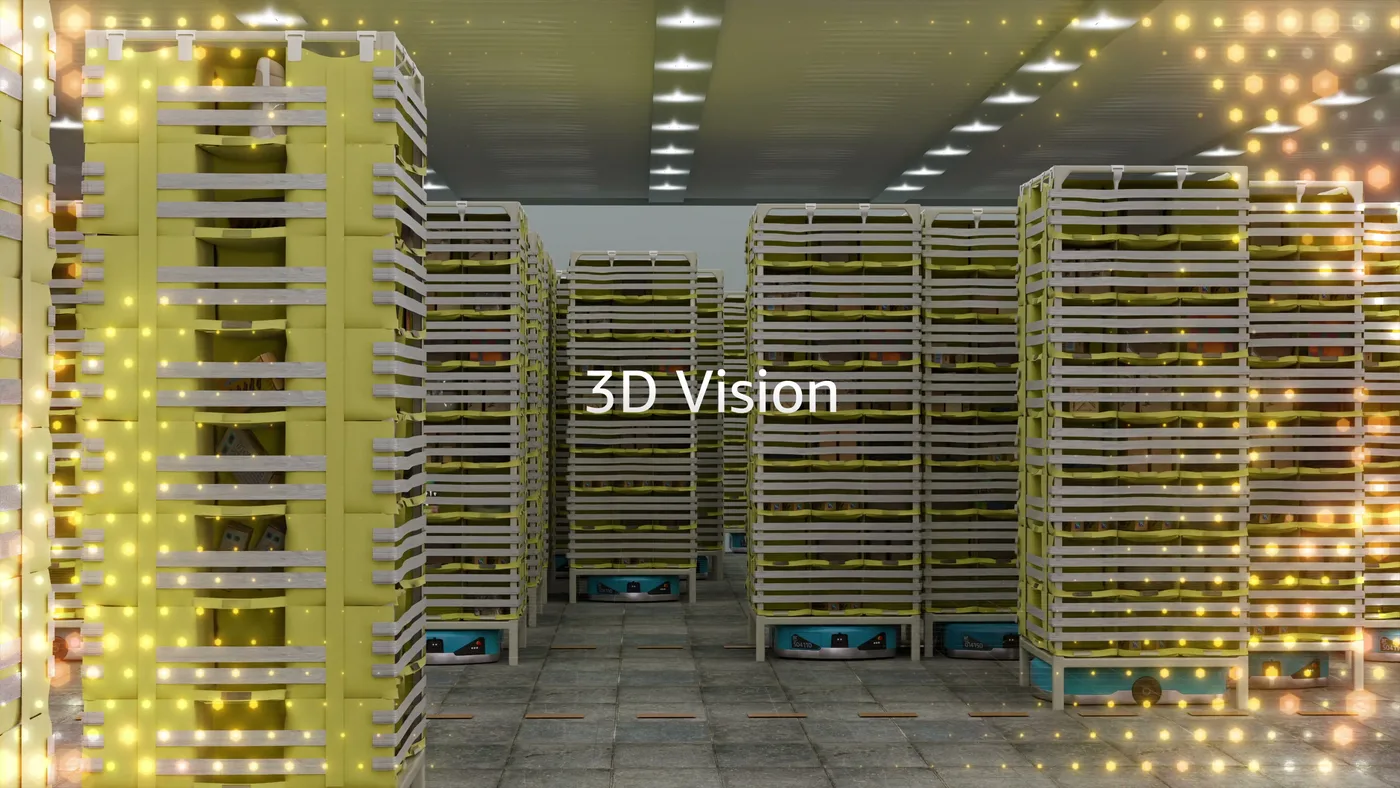
- Hercules drives under a rack, lifts it and takes it to an employee; it can move more than 500 kg of cargo;
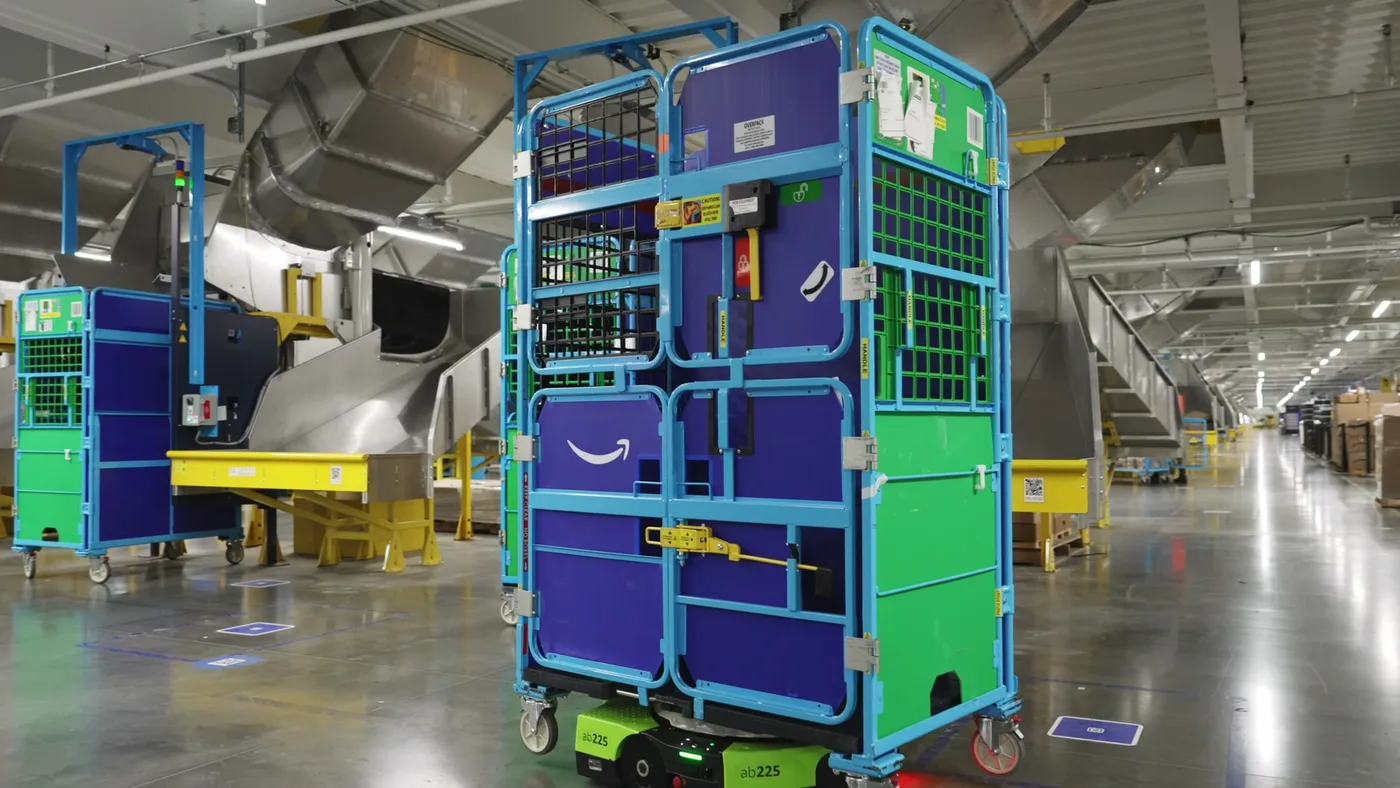
- Proteus moves heavy carts and goes around people by itself;
- Vulcan can feel contact with objects: it controls the force to take out and place goods without damaging them.
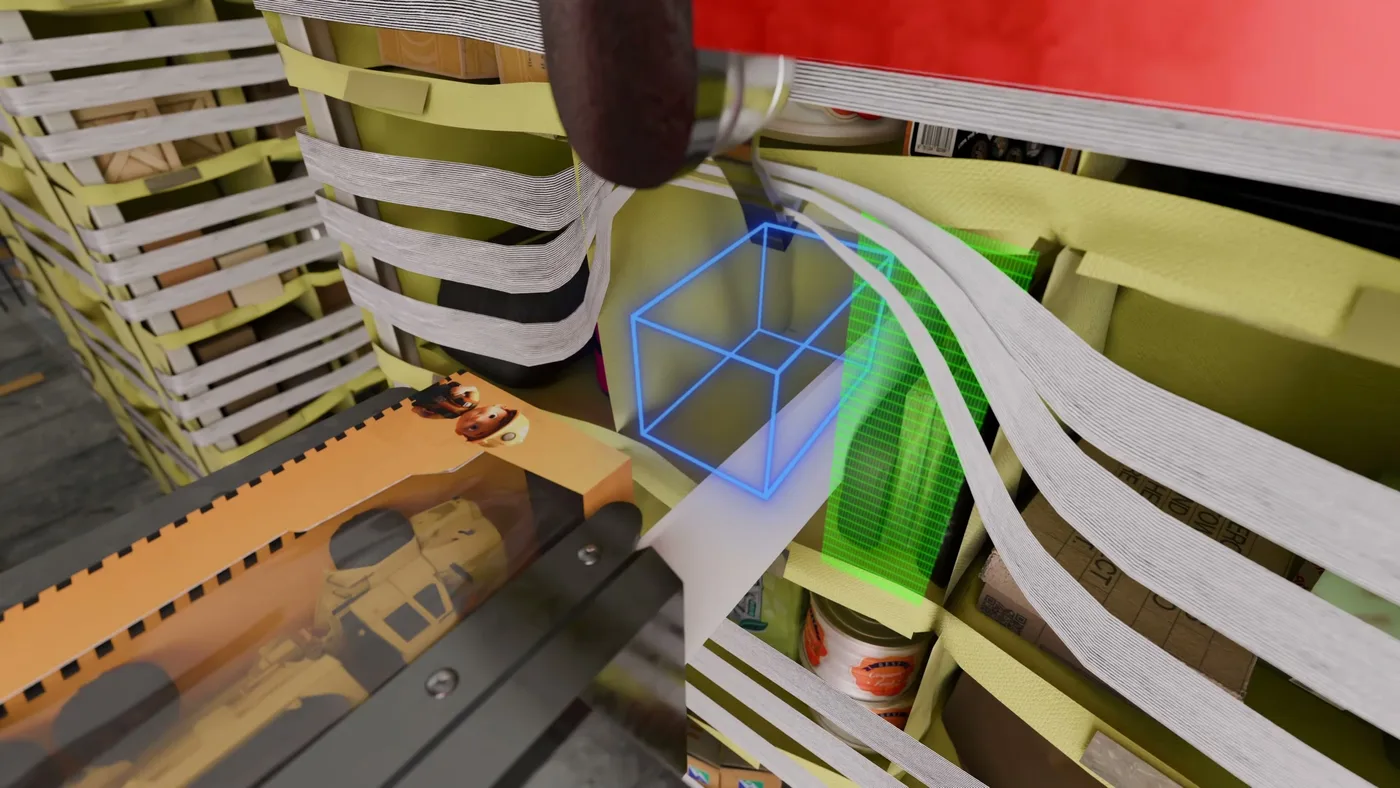
DeepFleet: AI for the whole fleet
To coordinate this fleet Amazon presented the DeepFleet artificial intelligence. It chooses routes and helps robots avoid creating jams. According to the company, this improves their travel time by 10%.
People remain
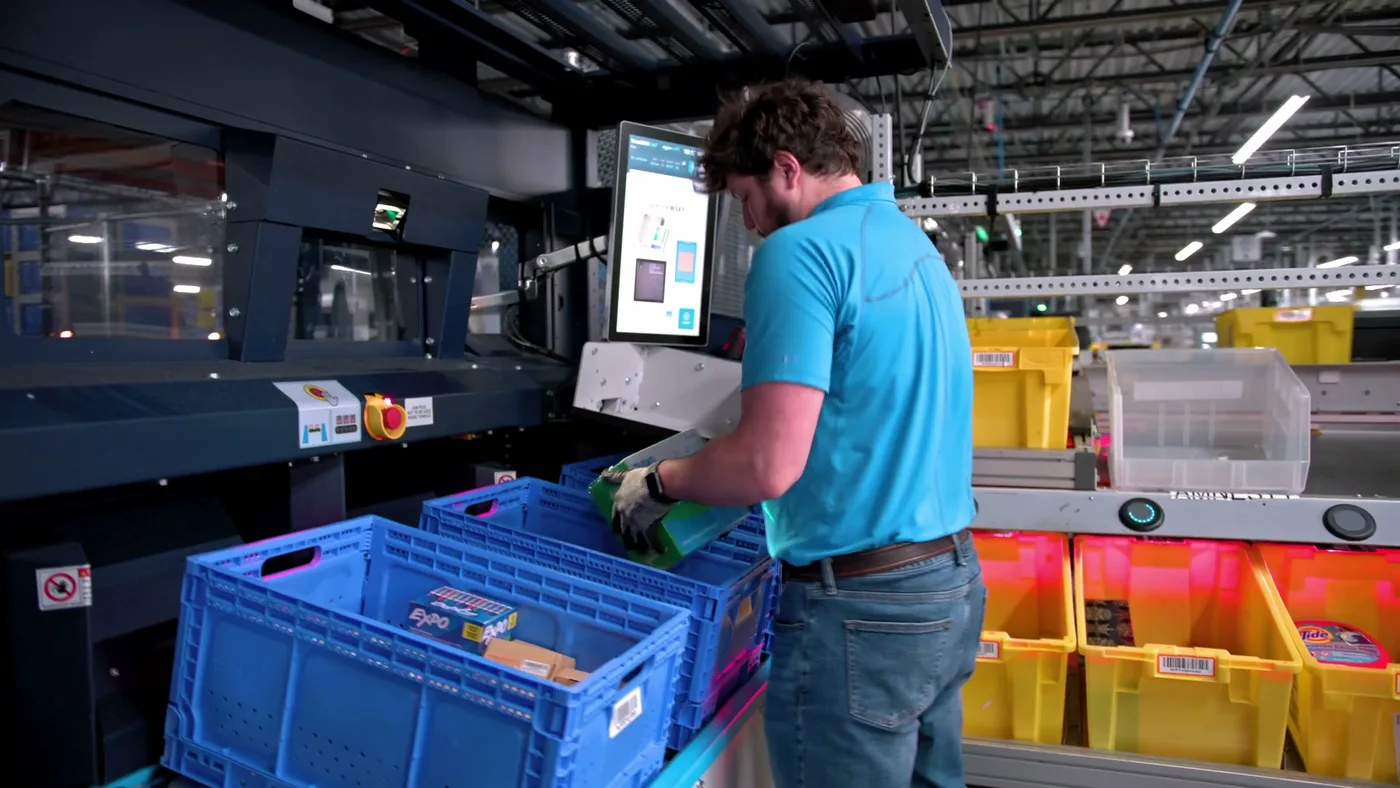
At the same time 75% of orders involving robots does not mean warehouses without people. The machines work together with employees, taking over the moving of heavy loads and repetitive operations. Employees keep picking, control and work with unusual goods.
Why this matters
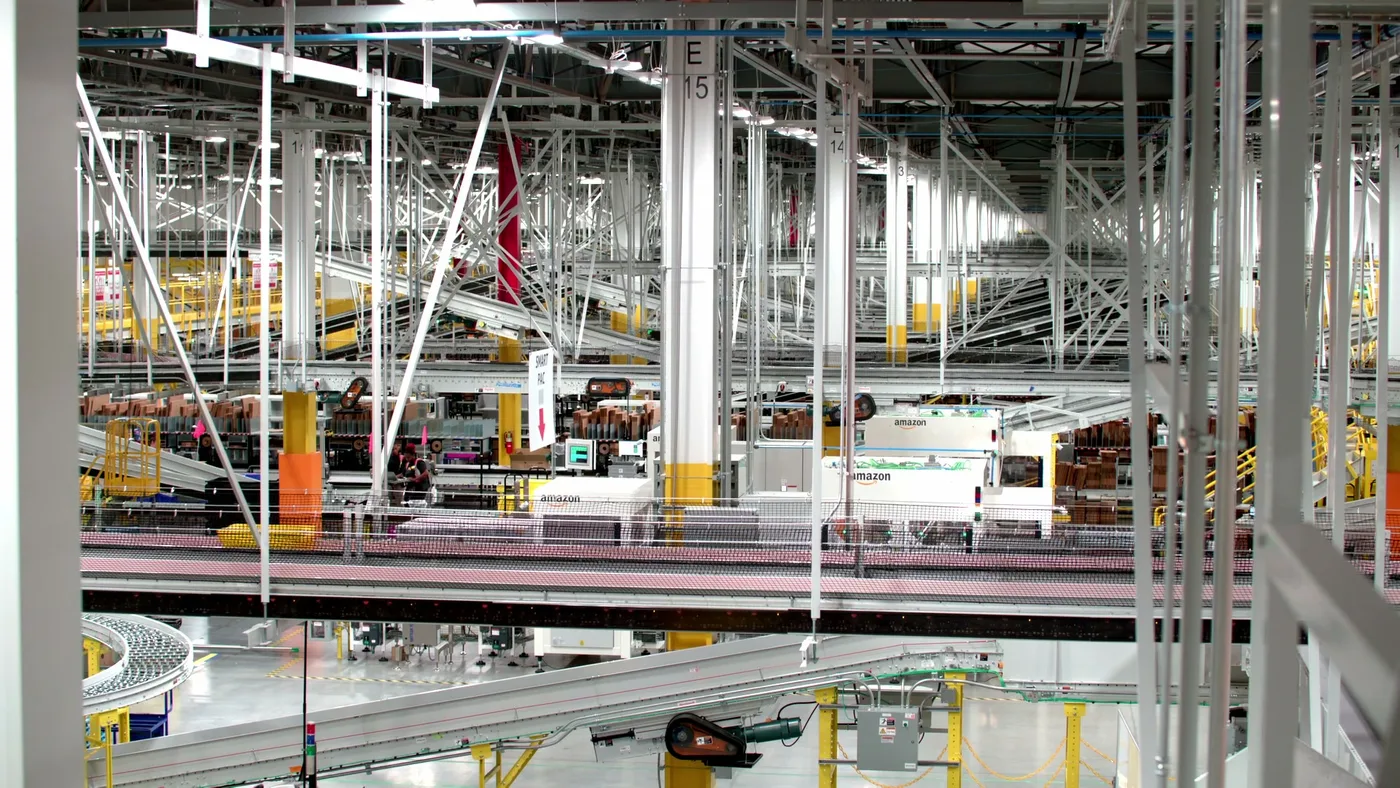
Amazon's warehouses are the largest example of robots moving from showcase projects to everyday work. The logistics market already lives by different rules: speed, safety around people and AI coordination of the fleet matter more than spectacular demonstrations. For companies planning to automate their own warehouses, Amazon's experience is the main benchmark.
Read also
Frequently asked questions
How many robots does Amazon have?
The company installed its millionth robot in June 2025 at a warehouse in Japan.
What is DeepFleet?
Amazon's AI for coordinating the robot fleet: it chooses routes and helps avoid jams; according to the company it improves travel time by 10%.
Do robots replace people in Amazon warehouses?
No, the machines work together with employees and take over moving heavy loads and repetitive operations.