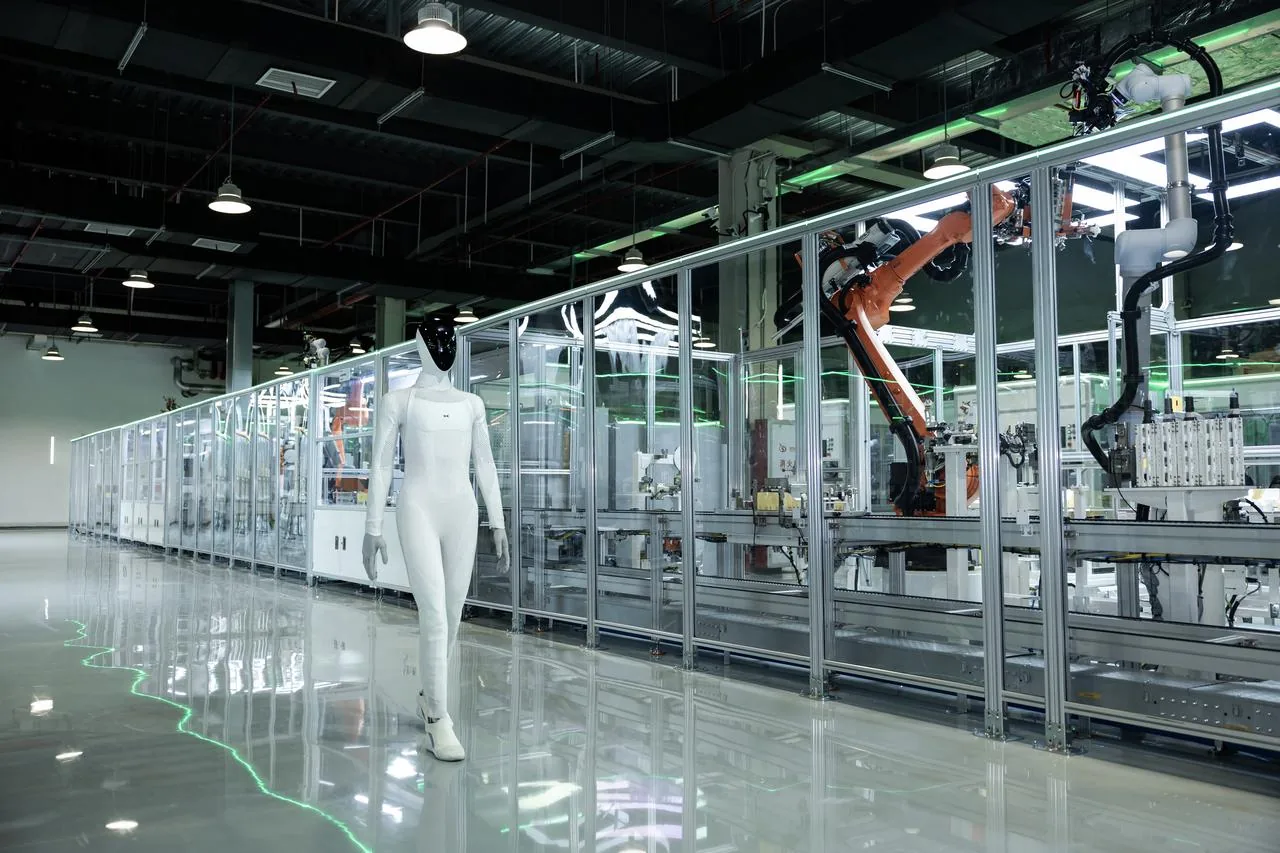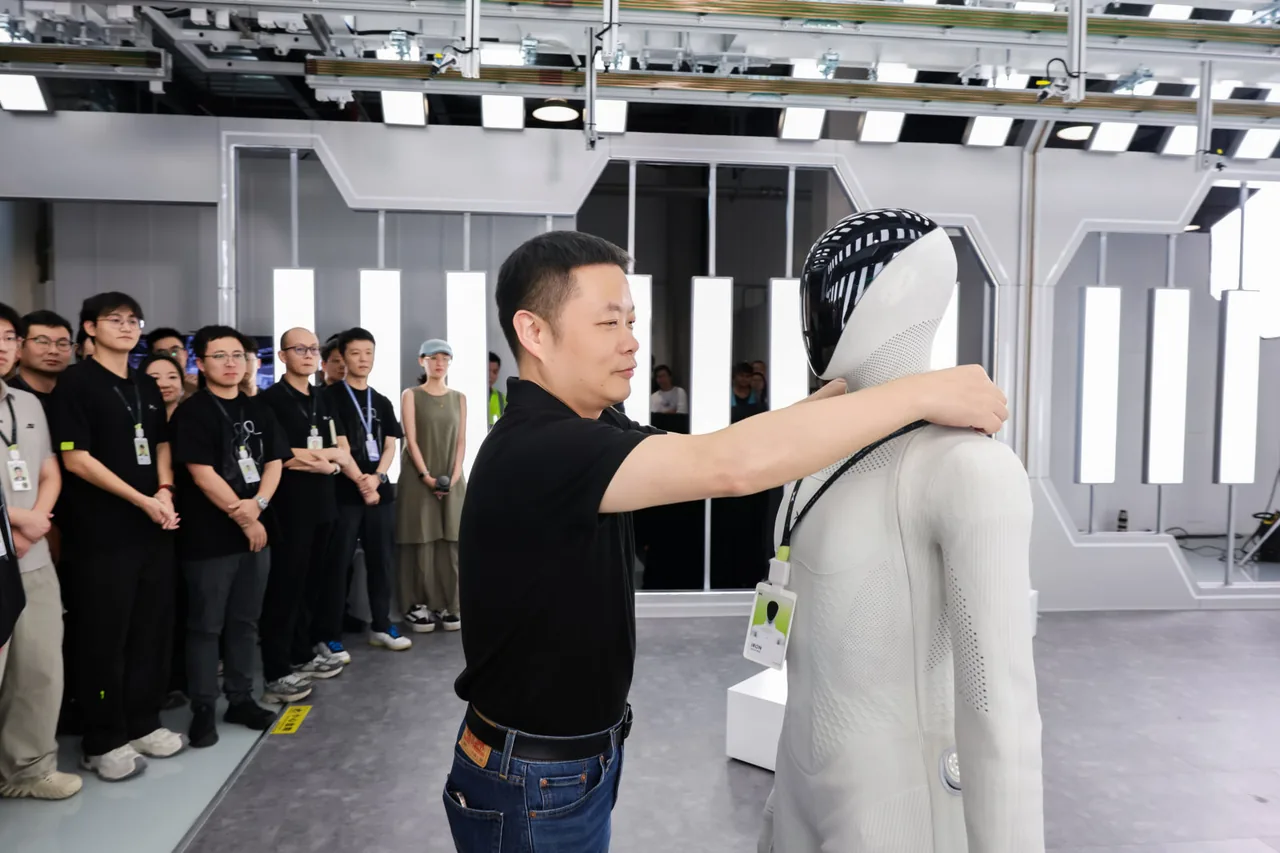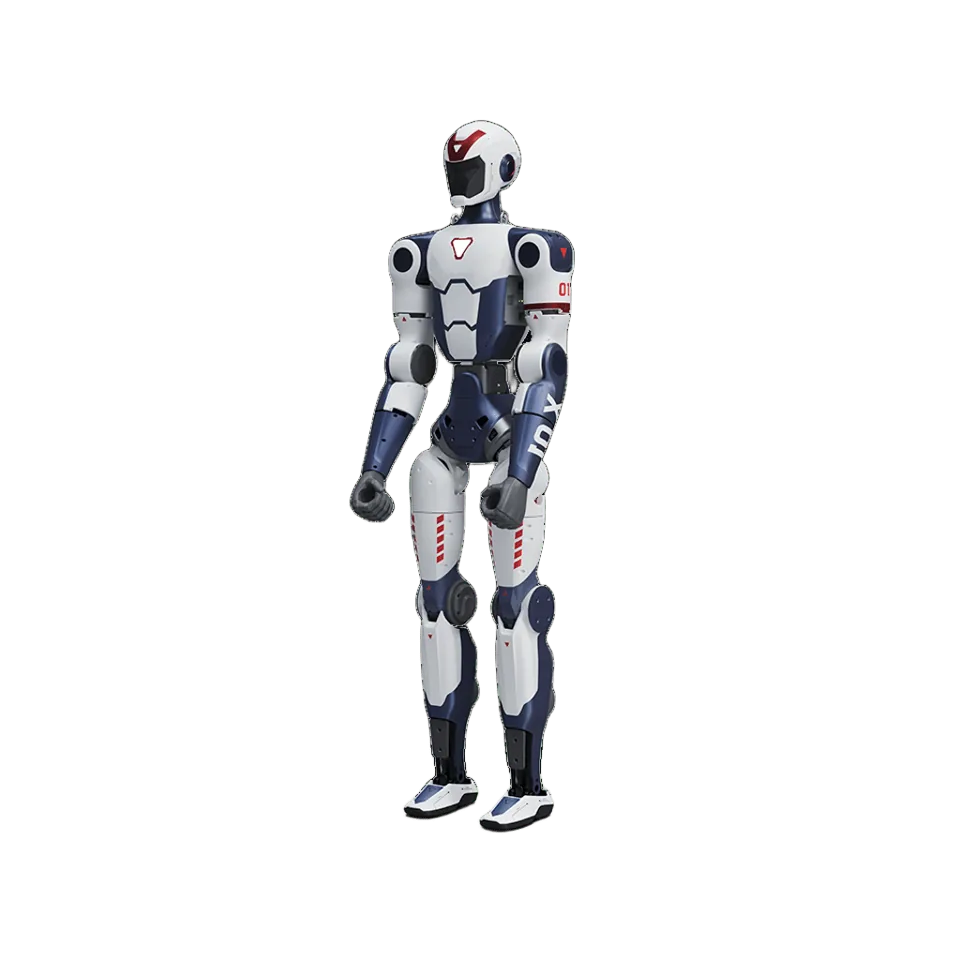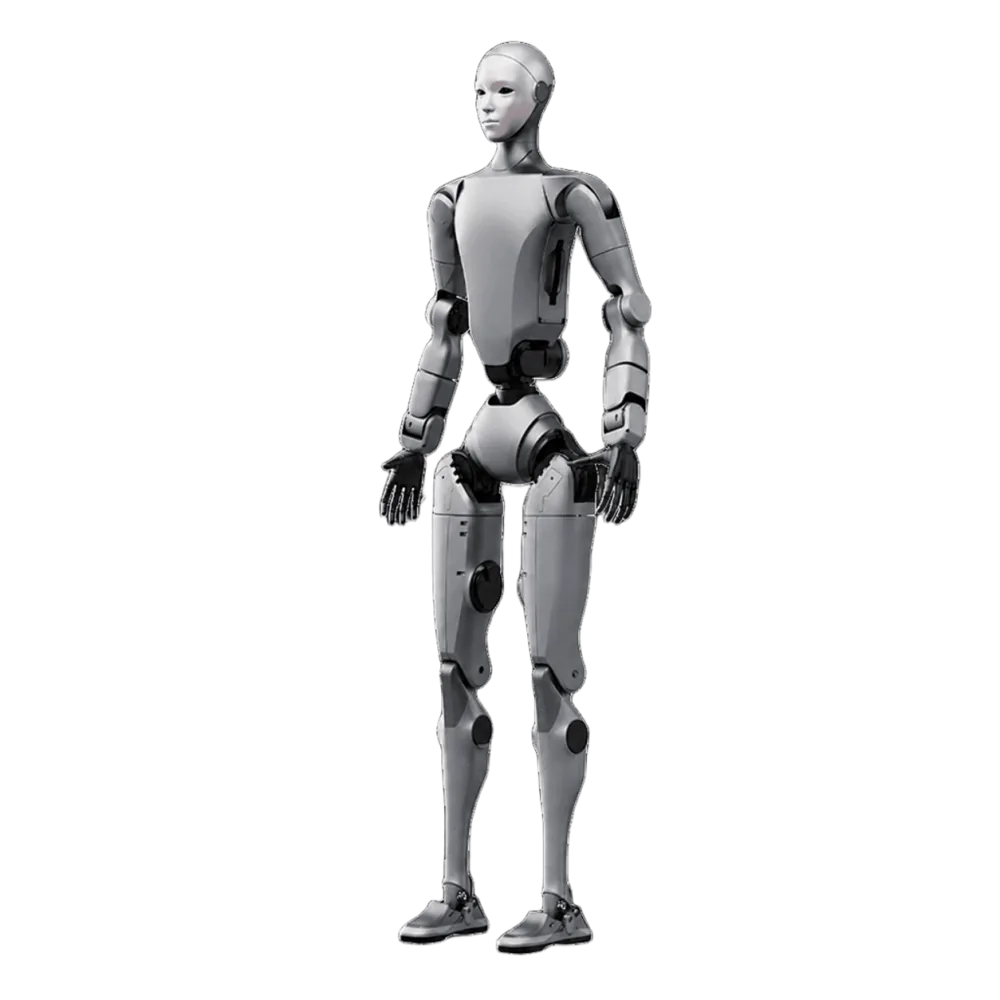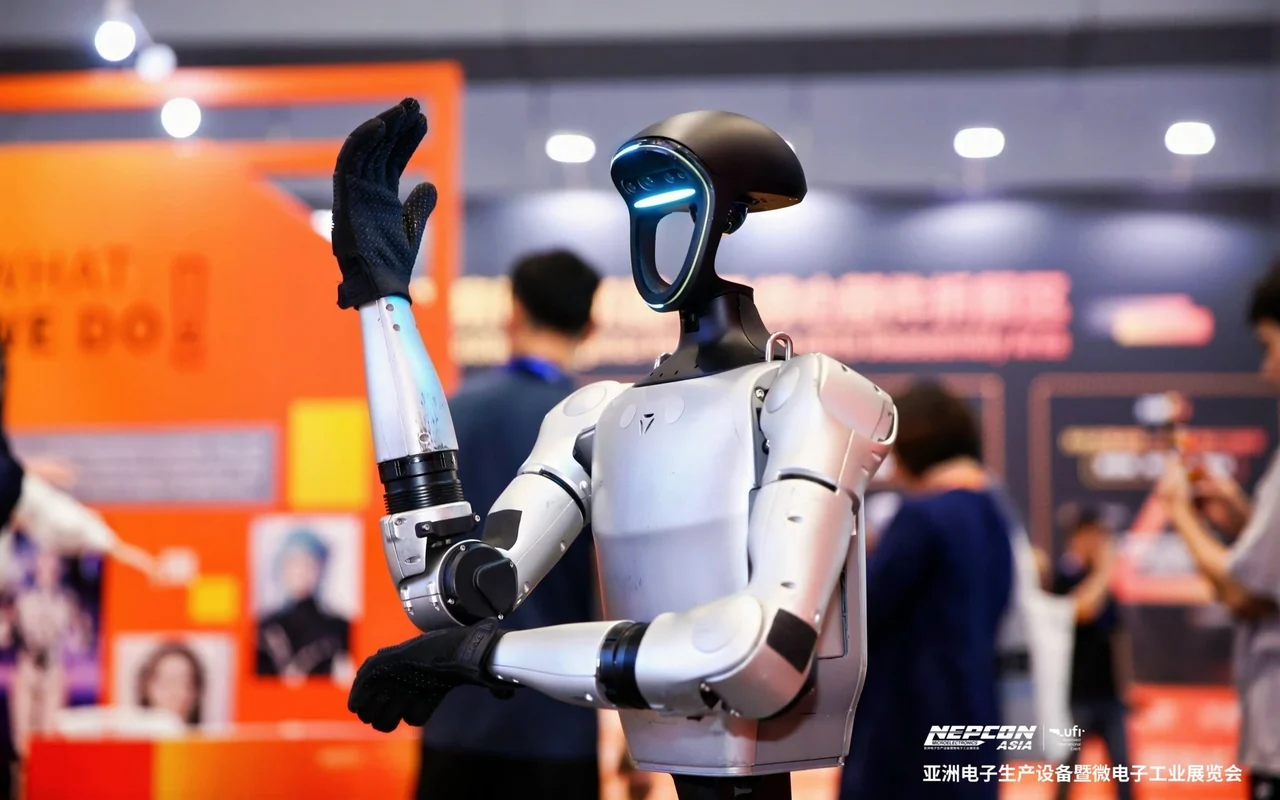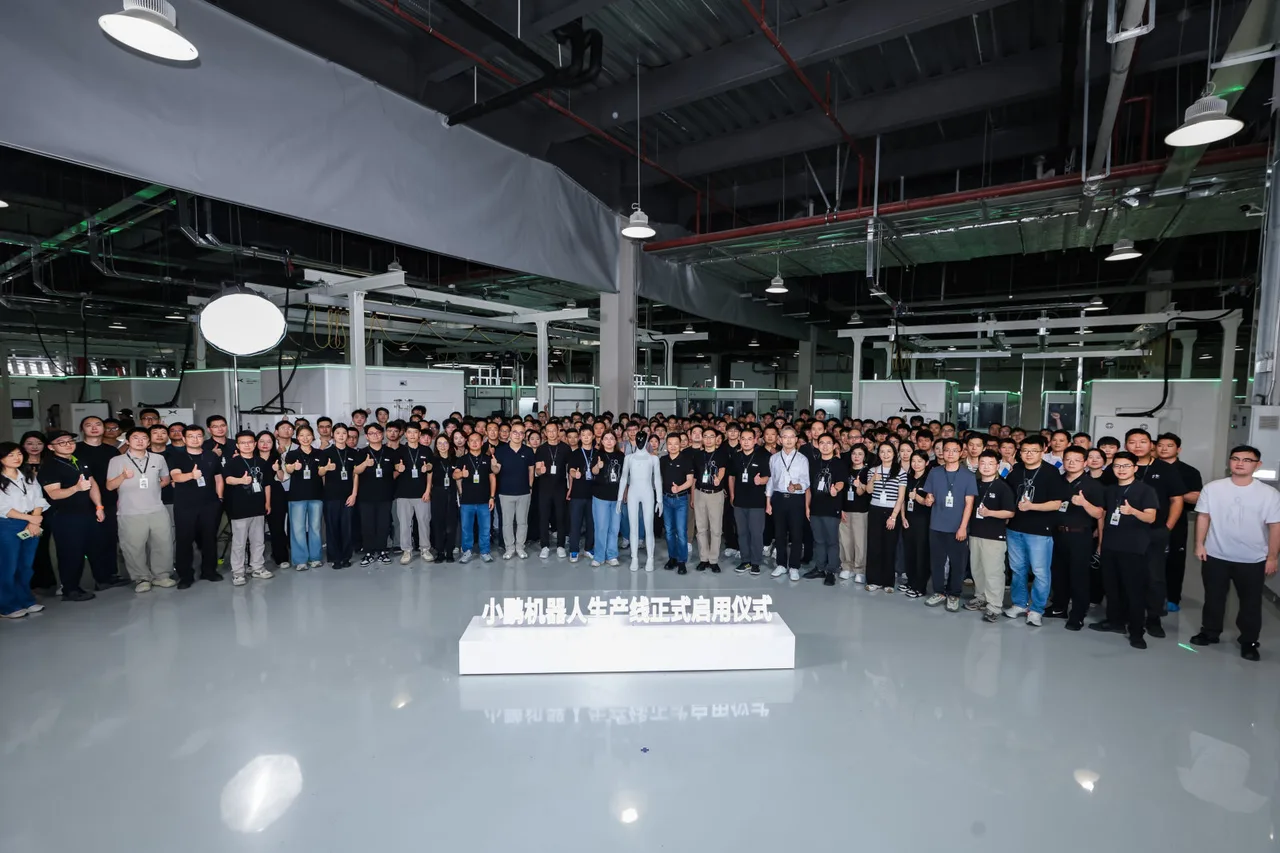
On September 8, XPeng launched a production line for humanoid robots in Guangzhou. The first IRON robot assembled on the line rolled off by itself, marking the company’s transition from prototypes to serial production. According to XPeng, this is the world’s first automated line for advanced humanoids.
The line was built to automotive quality standards, which XPeng uses in its electric vehicle production. Over 80% of key operations are automated. The manufacturer focuses on consistent quality for critical processes and the ability to quickly scale up production.
The new IRON generation features a humanoid form with a closed flexible lattice body, designed to combine looks and safety. The body has 76 degrees of freedom, with 21 more in each hand. The robot runs on three proprietary Turing chips with up to 2,250 TOPS of effective performance, powered by the VLA 2.0 model. XPeng claims this computing power is enough to run a basic physical AI model onboard and perform complex tasks without remote control. This has not yet been independently verified: the robot has not been tested by third-party labs or journalists, and previously XPeng showed IRON under teleoperation.
The plan: mass production by the end of 2026, ramping up to over 1,000 robots per month. The first commercial robots will operate in XPeng’s own showrooms and campuses, with official market launch and deliveries in China and abroad set for 2027. On August 24, the company’s robotics division raised over $900 million at a valuation above $6.3 billion. The company expects the profit margin per robot to be significantly higher than for electric vehicles.
The key for the market is the approach: applying automotive-grade industrial discipline to humanoids, not small-batch manual assembly. IRON is not yet available for purchase; price and delivery terms will be announced by 2027. Reliability specs will only become clear after the first months of operation in XPeng showrooms.