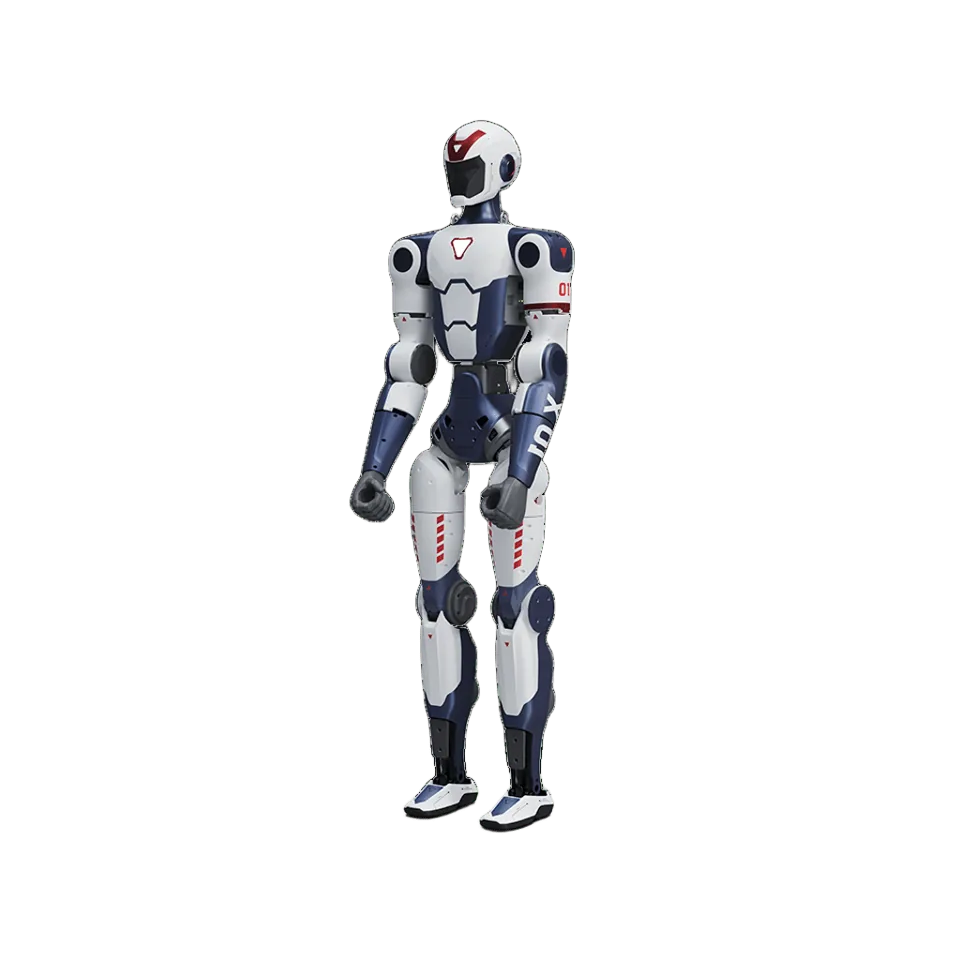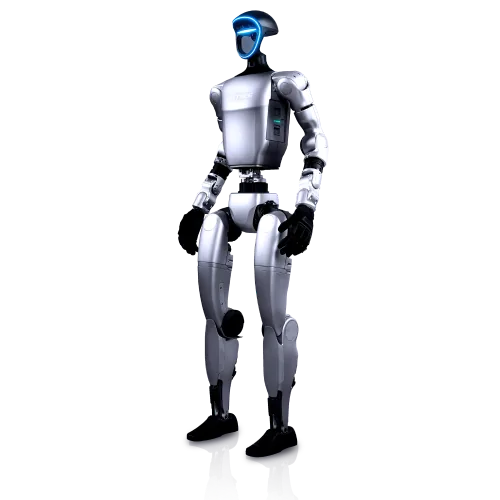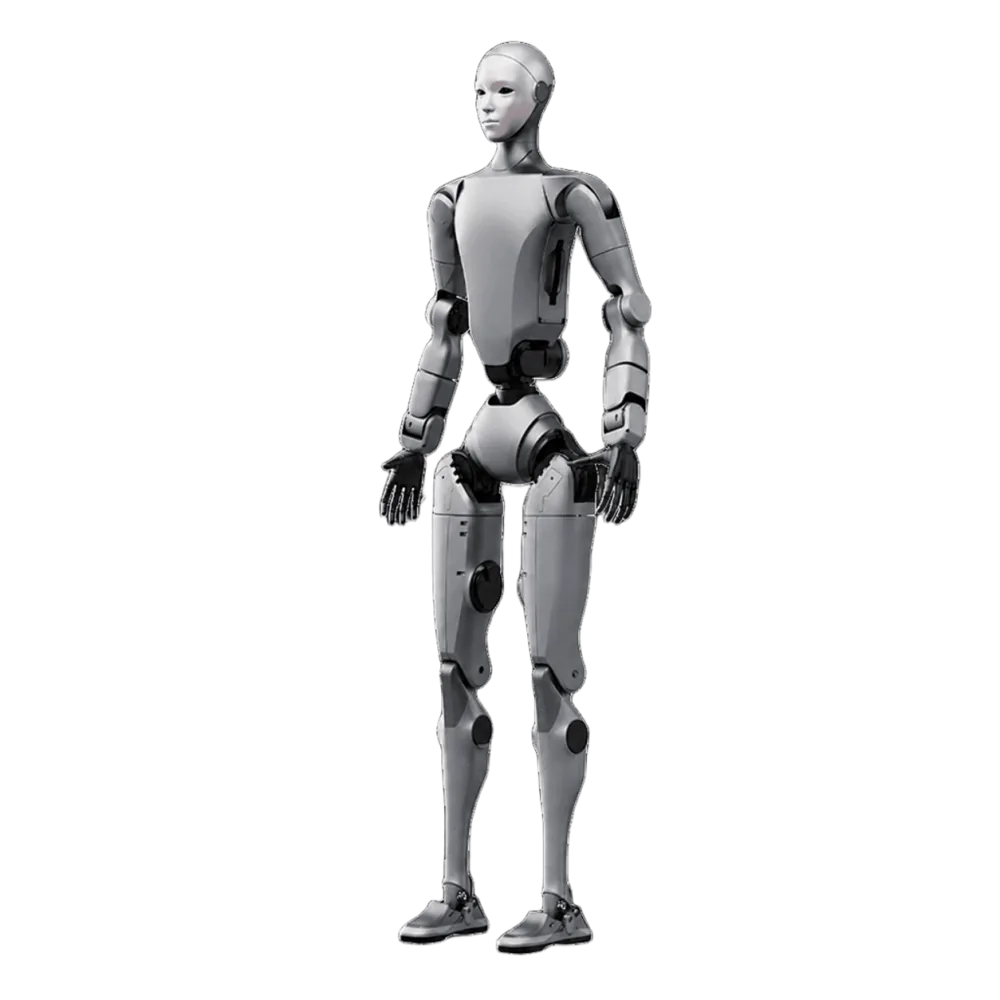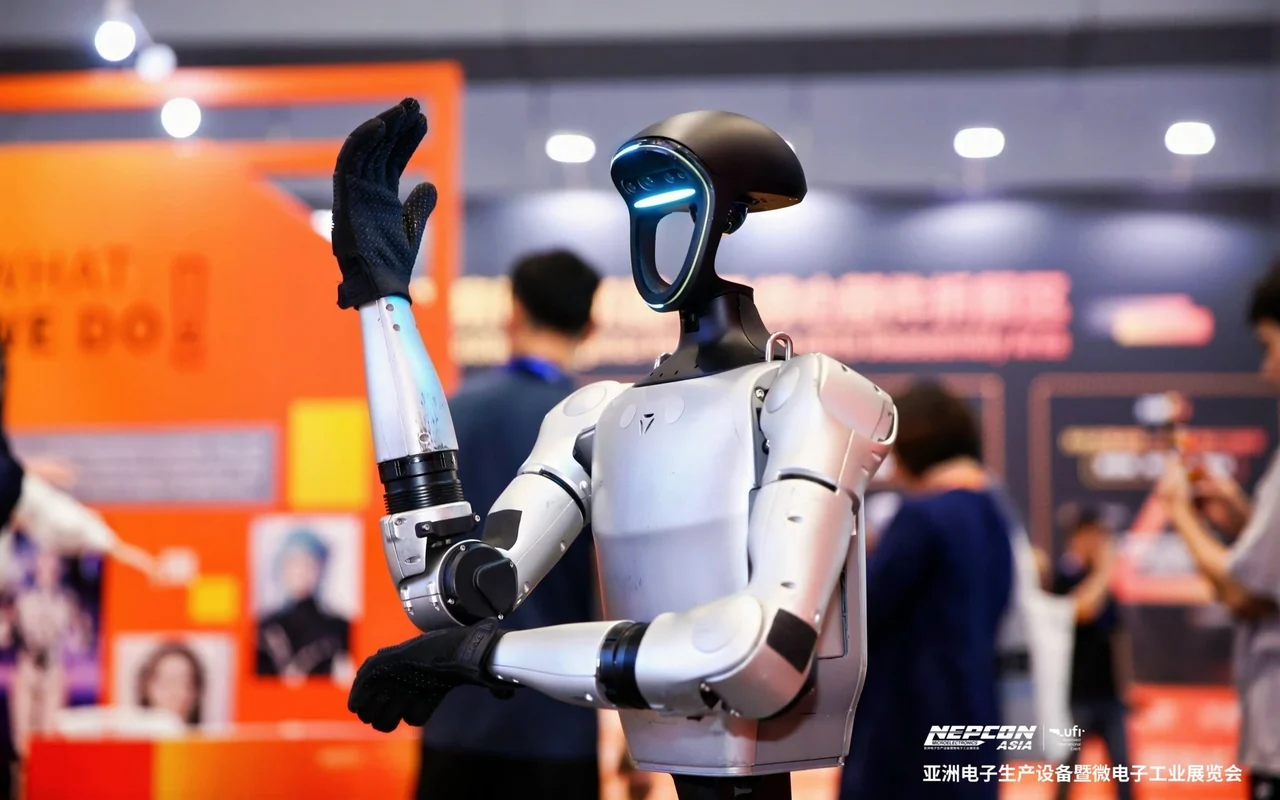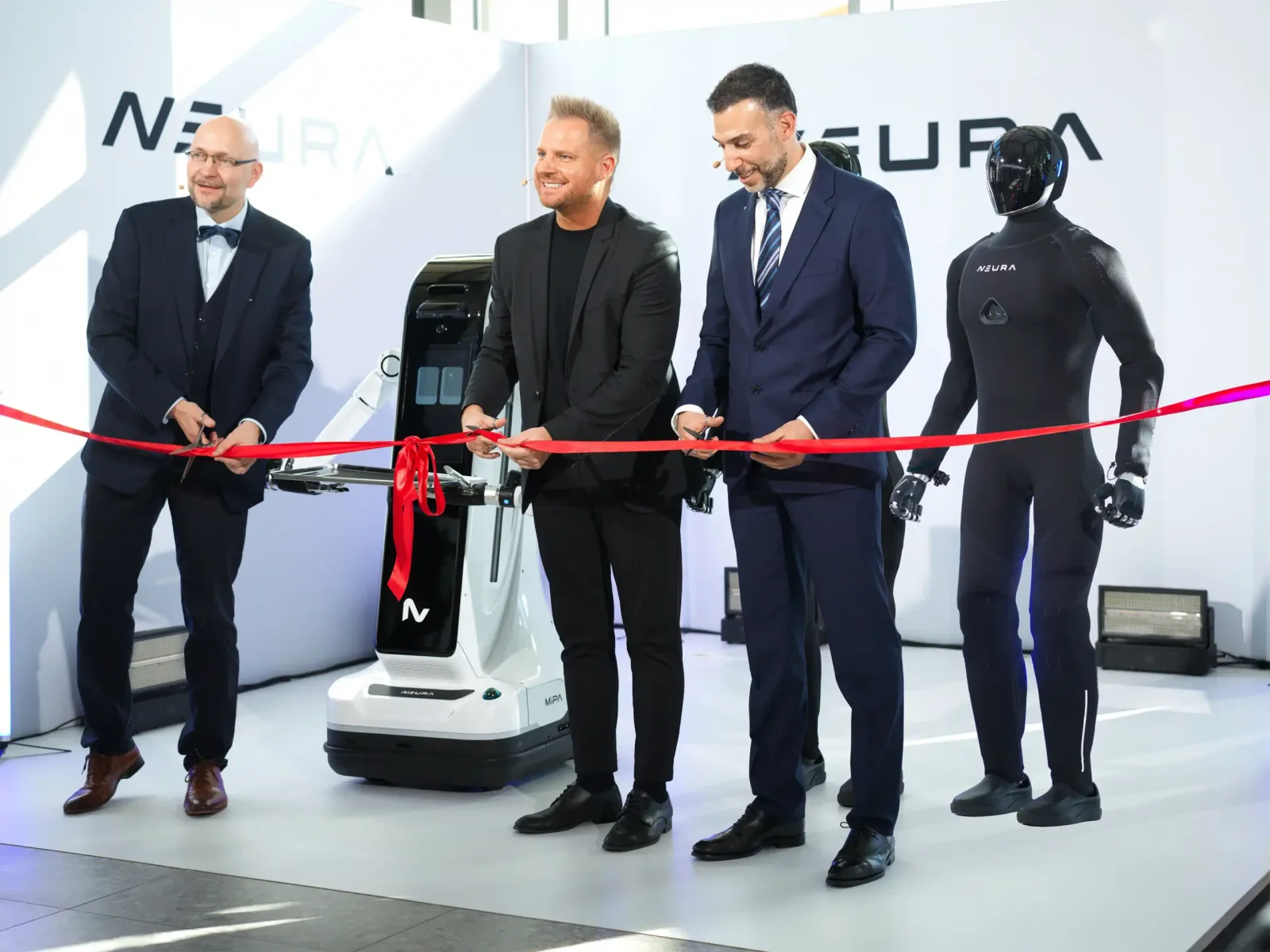
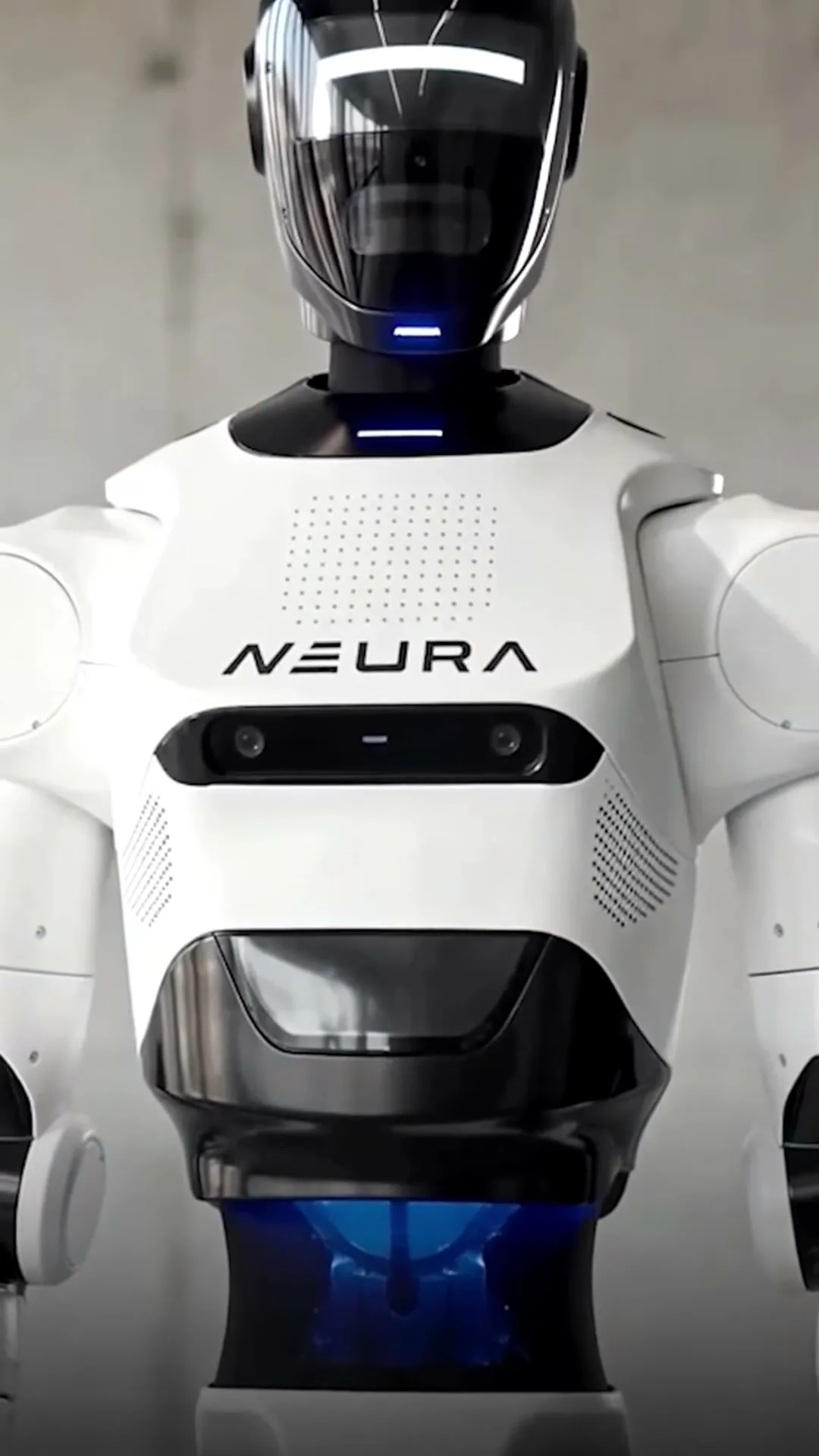
This robot has reflexes of its own. The German NEURA Robotics presented the fourth generation of its humanoid, 4NE1.
What changed in the fourth generation
- the new body is 20% lighter than the previous one;
- outside there is a black fabric cover;
- the hands were updated for more precise grasping of objects;
- local reflexes are built into the limbs: each can react on its own, and, according to the developers, this helps the robot respond faster to changes around it.
The Neuron AI network
Neuron AI is responsible for the actions. It combines images from cameras, touch, force and sound, turning this data into movements.
The training center in Munich
The robot was shown at the opening of the training center in Munich. Here machines learn work tasks from human demonstrations, their own experience and simulations. The center's tasks include working with boxes, filling bottles and loading parts.
What is not yet known
The new generation is being prepared for mass production, but the price and delivery times have not yet been announced. So it is impossible now to say when and for which customers 4NE1 will become available.
Why this matters
European humanoid makers are betting on training on real work tasks and on safety around people. Local reflexes in the limbs are a step toward machines that do not wait for a command from above for every movement but react by themselves, like a living body.
Read also
Frequently asked questions
What is new in NEURA 4NE1 Gen 4?
A body 20% lighter, a fabric cover, updated hands and local reflexes in the limbs.
How much does 4NE1 Gen 4 cost?
The price and delivery times have not been announced yet; the generation is being prepared for mass production.
What is Neuron AI?
A NEURA system that combines camera images, touch, force and sound and turns them into the robot's movements.