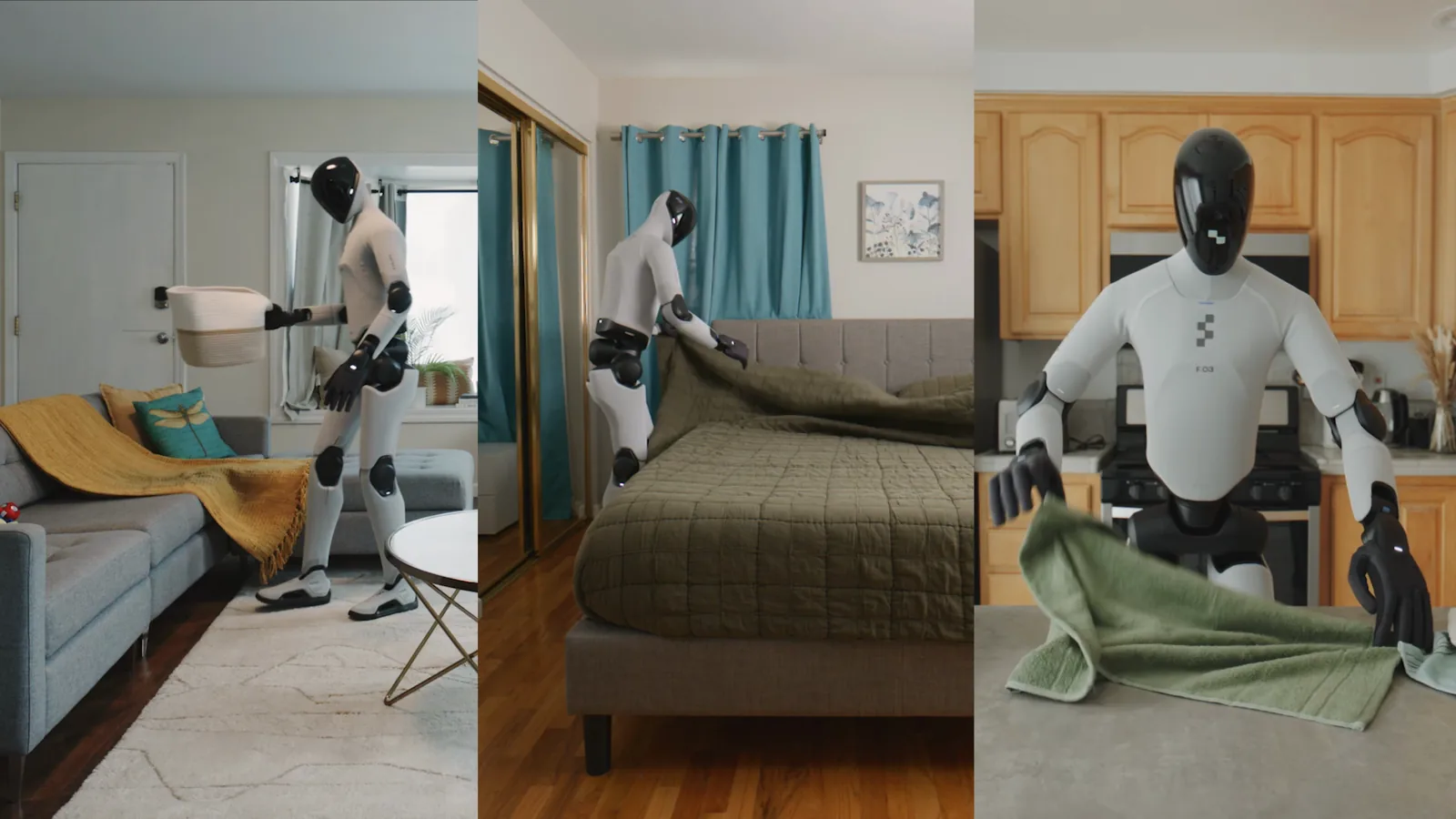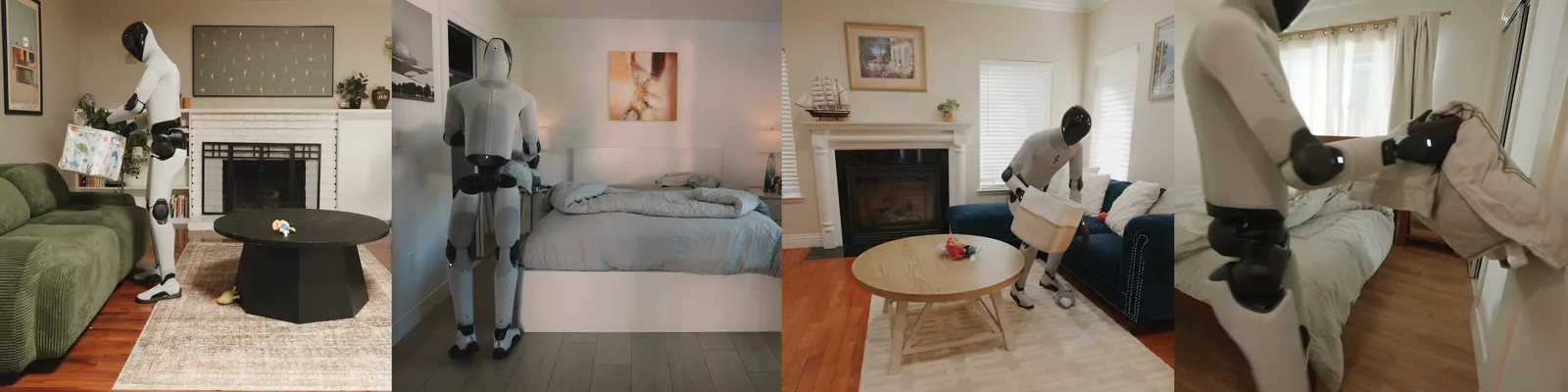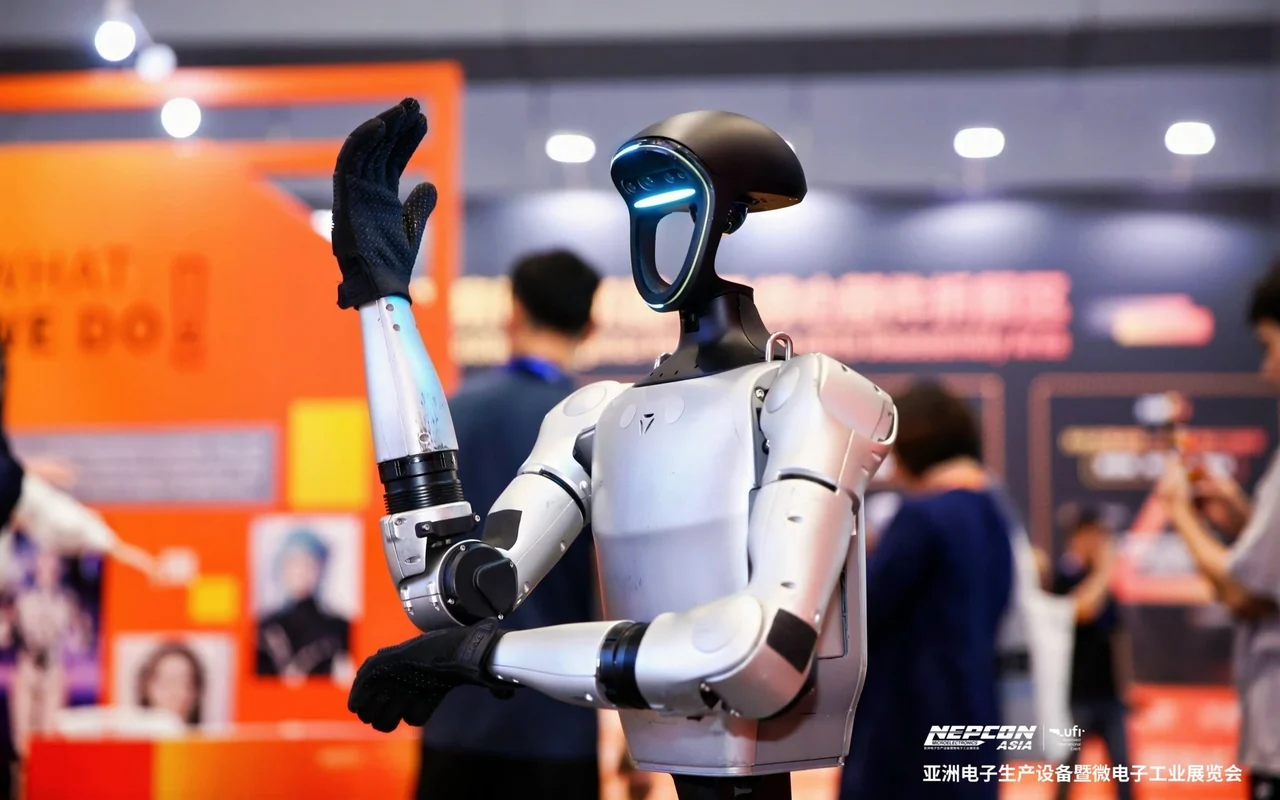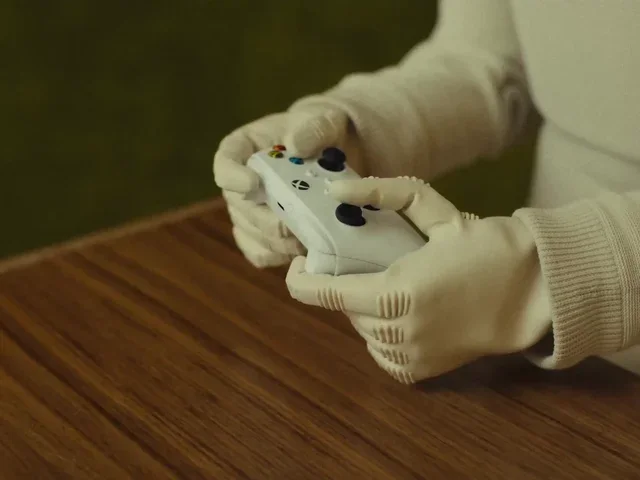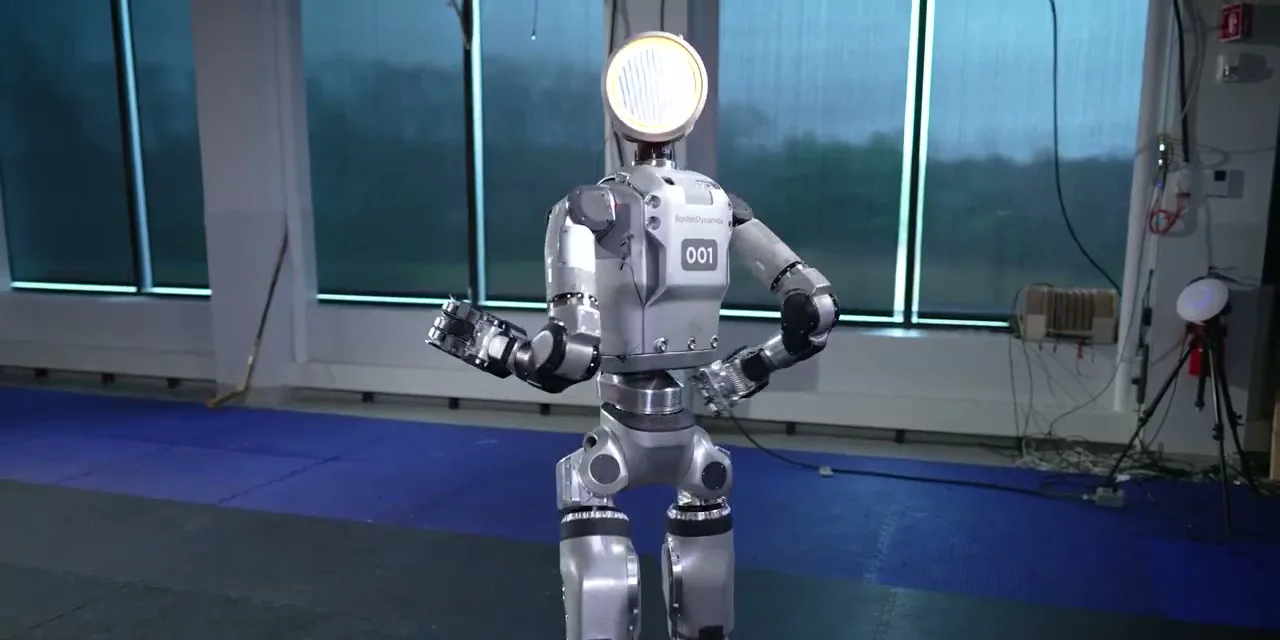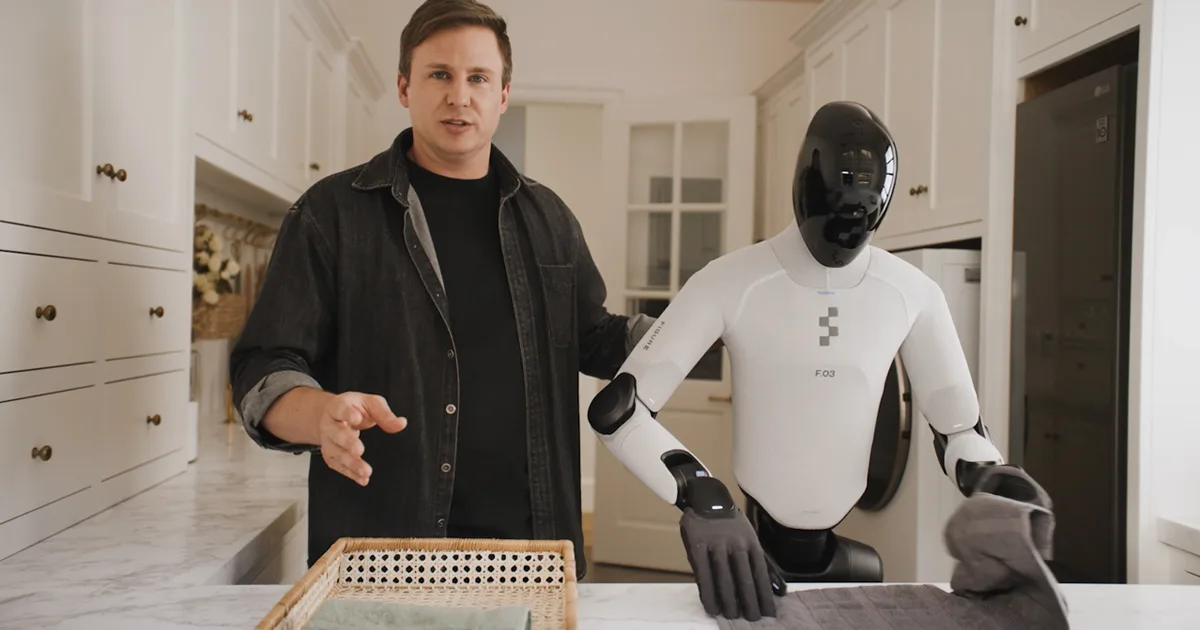
Figure AI has published results for its Helix 2.5 model, which controls the entire humanoid body. The main question: can a robot enter a home it’s never seen and start working right away? To test this, they picked 30 homes in the San Francisco Bay Area — with no prior data collected — and three tasks: tidy up toys in the living room, fold towels, and make the bed.
All three skills come from a single base model. It was pre-trained on Index — Figure’s own large-scale dataset of human actions — then fine-tuned on a small dataset for each task. In new homes with unfamiliar objects, the robot received no further training or adjustment.
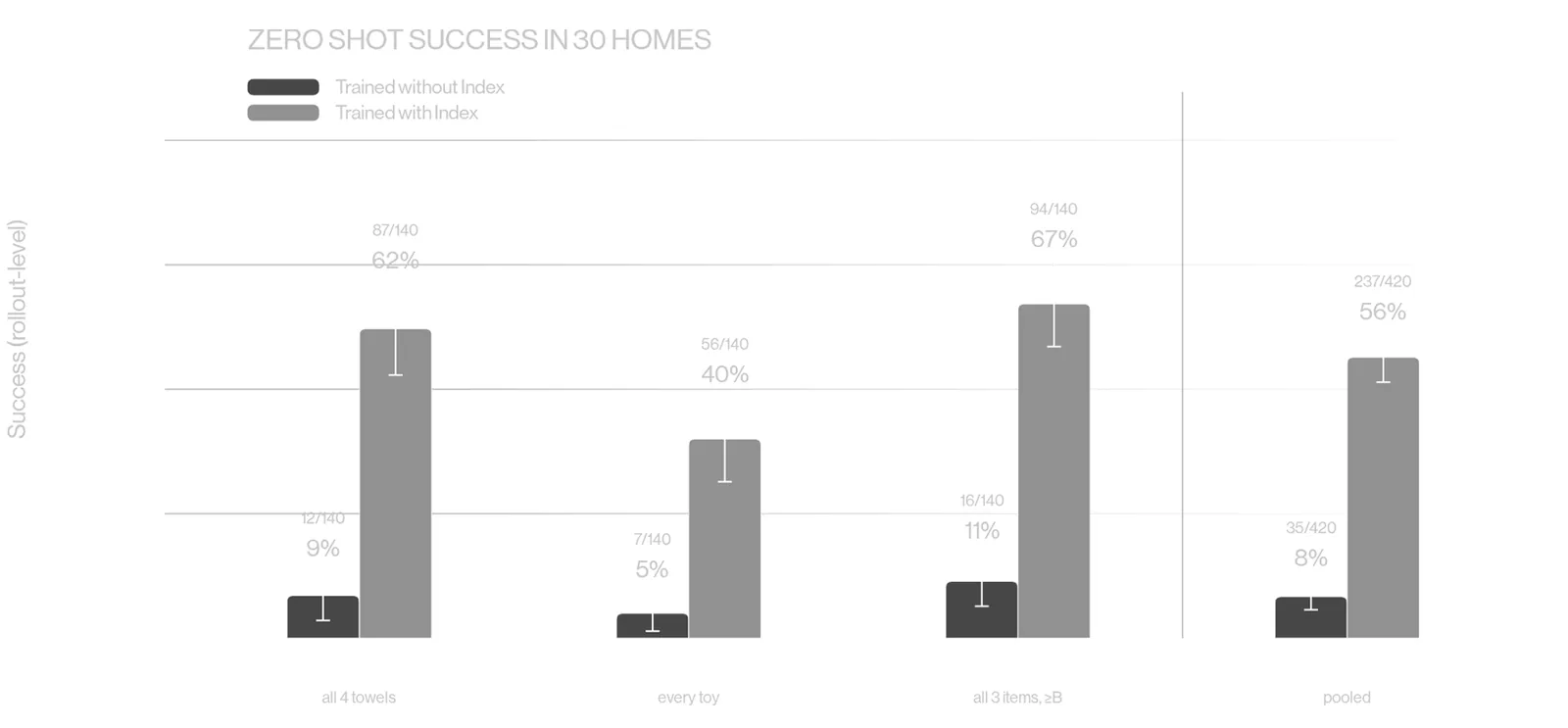
To measure pre-training impact, Figure trained two versions on the same task data: one from scratch, one pre-trained on Index. Only fully completed tasks counted: all toys put away, all towels folded, bed fully made. The version without pre-training succeeded in 9% of attempts; with pre-training, 56% — 237 out of 420 tries. Best results were with bed-making (67%) and towels (62%), lower with toys (40%).
The company also notes data efficiency: each task required half as many special recordings as for a similar skill in the previous Helix 02. Figure also found a scaling pattern: every doubling of human data predictably improves robot control, and the largest run’s error could be forecast in advance.
Figure itself emphasizes that the universal home humanoid challenge is not solved. Success in just over half of attempts in unfamiliar settings is an honest marker of current progress: a significant research step, but not enough for unsupervised home use. Companies considering humanoids should focus on controlled environments and repetitive tasks, and see home chores as a direction for the coming years.