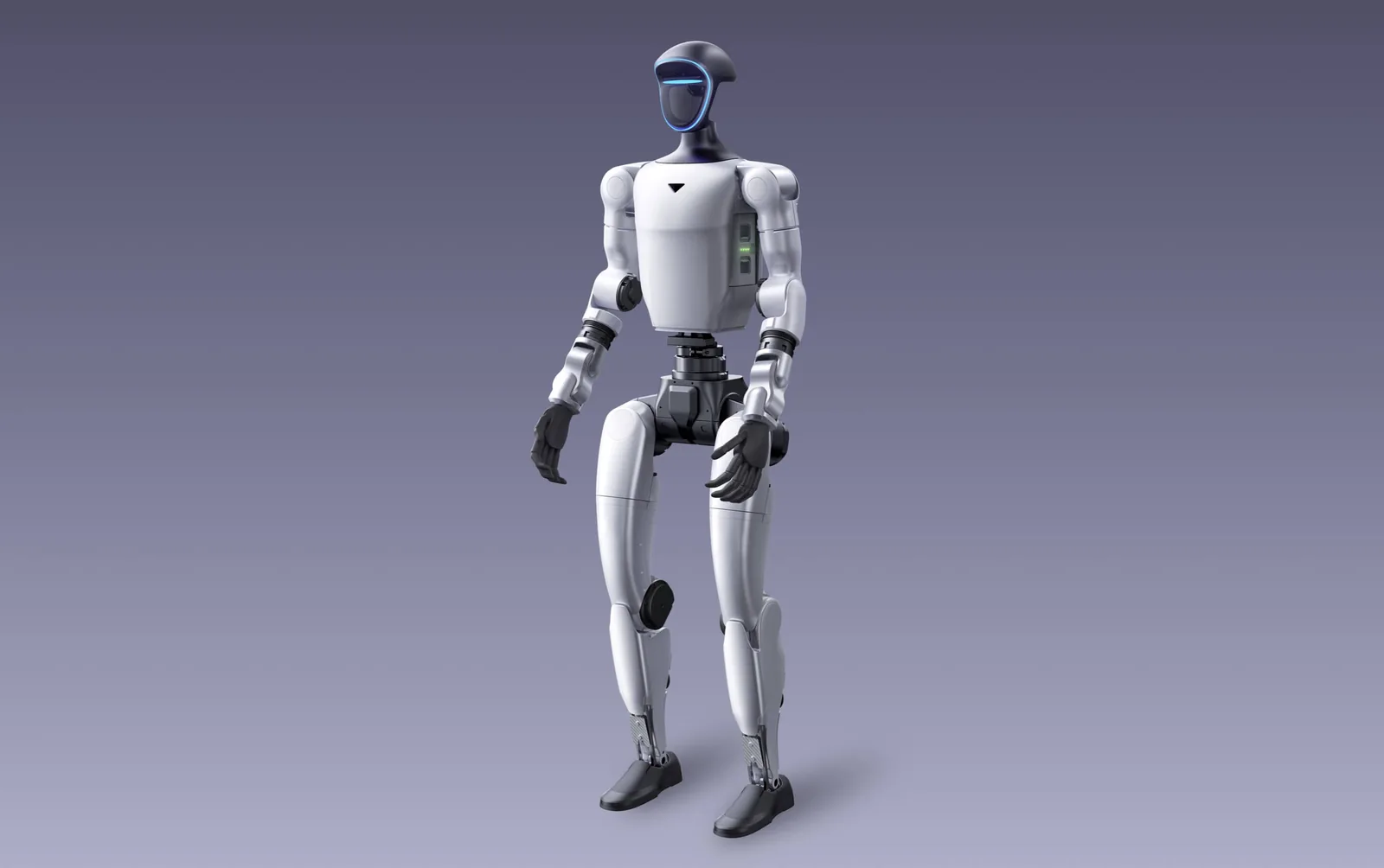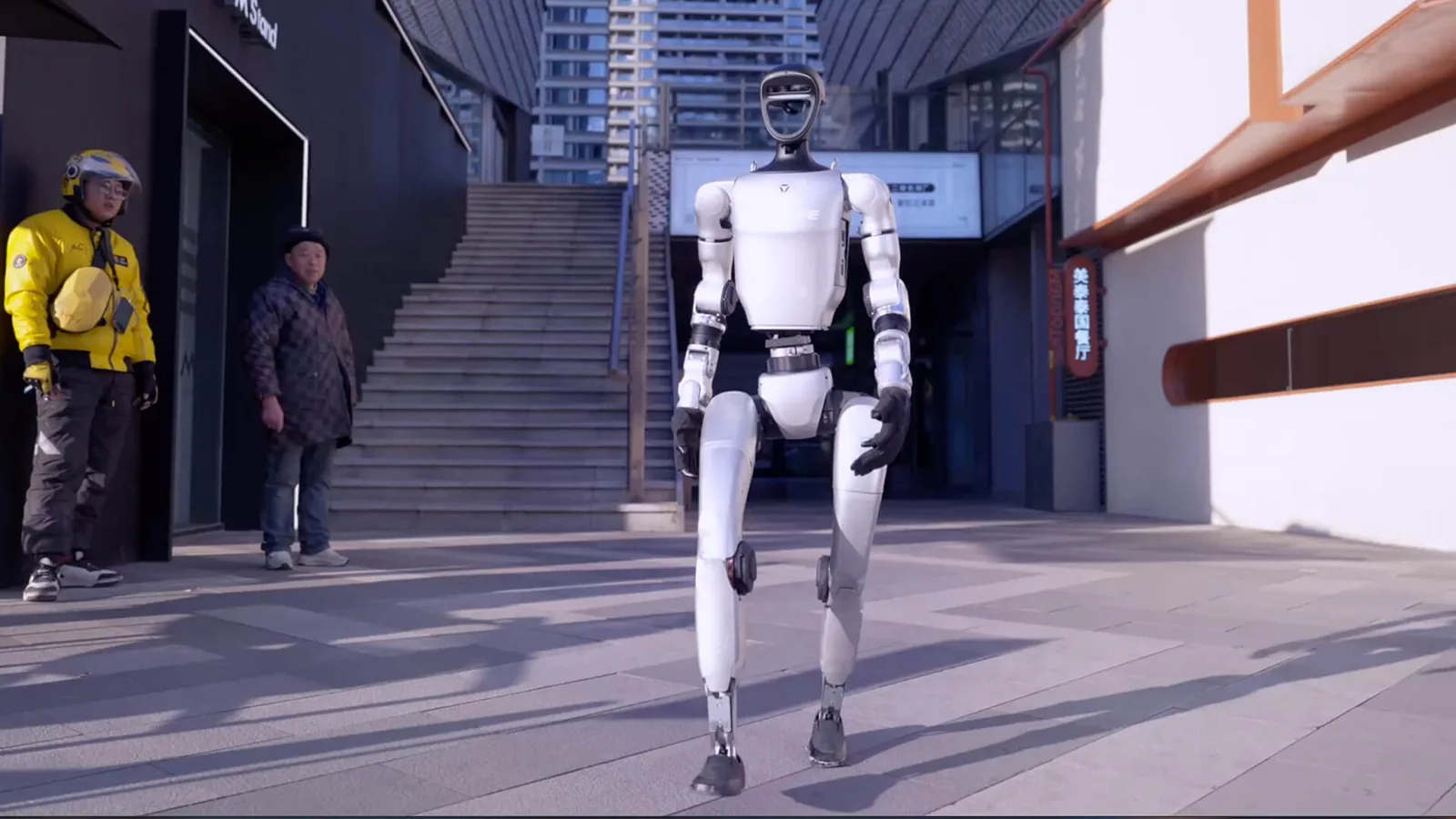
On August 19, Unitree Robotics went public on Shanghai’s STAR Market, becoming mainland China’s first listed humanoid robot manufacturer. Shares were priced at 150.8 yuan, raising 6.1 billion yuan (about $905 million) — more than planned, with a record low allocation rate.
The first day was intense: trading opened at 1,100 yuan per share, 629% above the IPO price, and closed about 460% higher at 845 yuan. At closing, the company was valued at 342 billion yuan. Among IPO participants: DeepSeek; previous investors include Tencent and Meituan. Founder and CEO Wang Xingxing retains 68.8% voting power.
The market frenzy is fueled by production plans. Wang Xingxing told 36Kr that in 2026 Unitree aims to ship 10,000–20,000 humanoid robots. In 2025, the company delivered about 5,500 units, while the global market was estimated at 13,000 humanoids, nearly 80% from Chinese makers, mainly Agibot and Unitree.
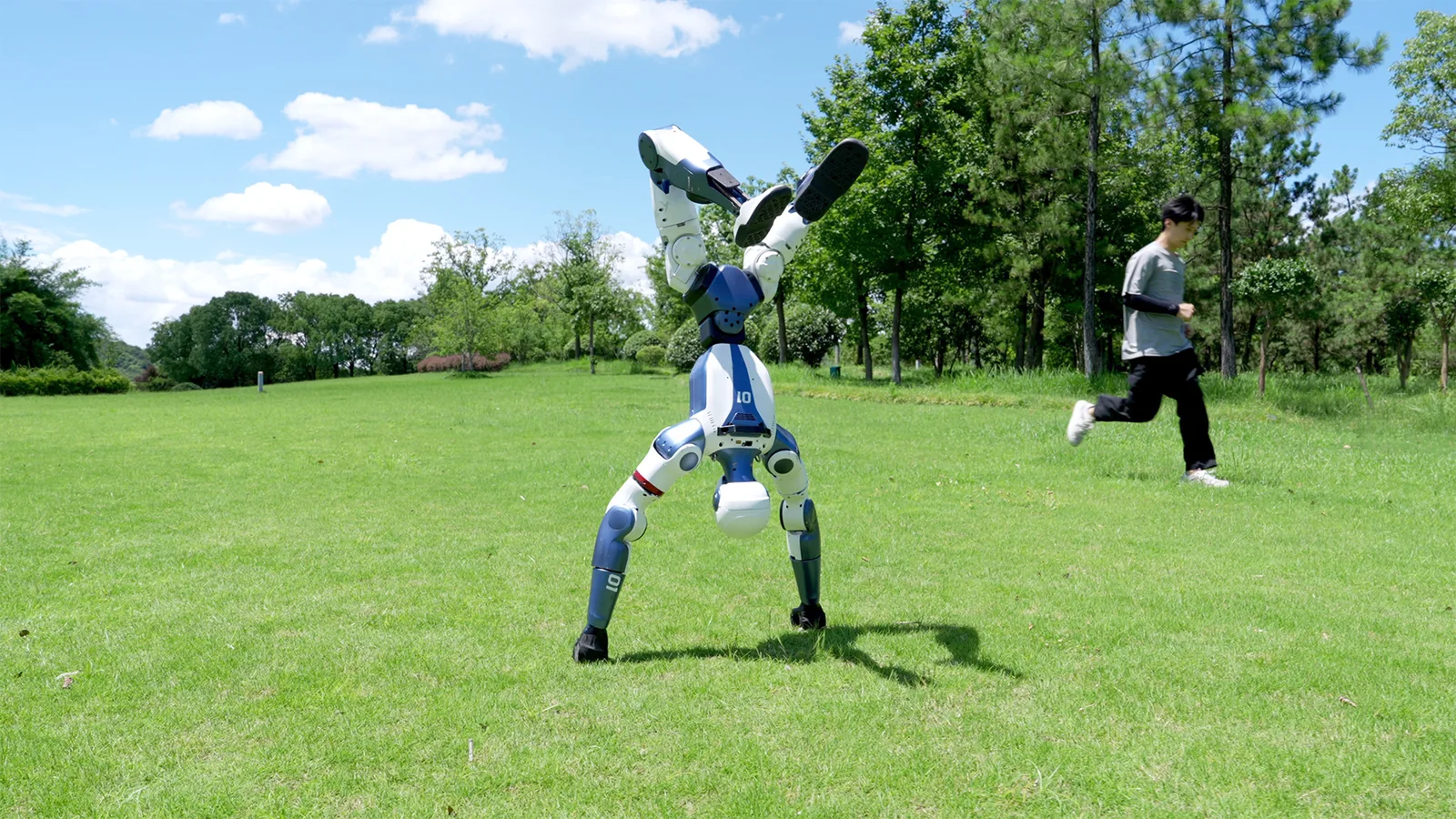
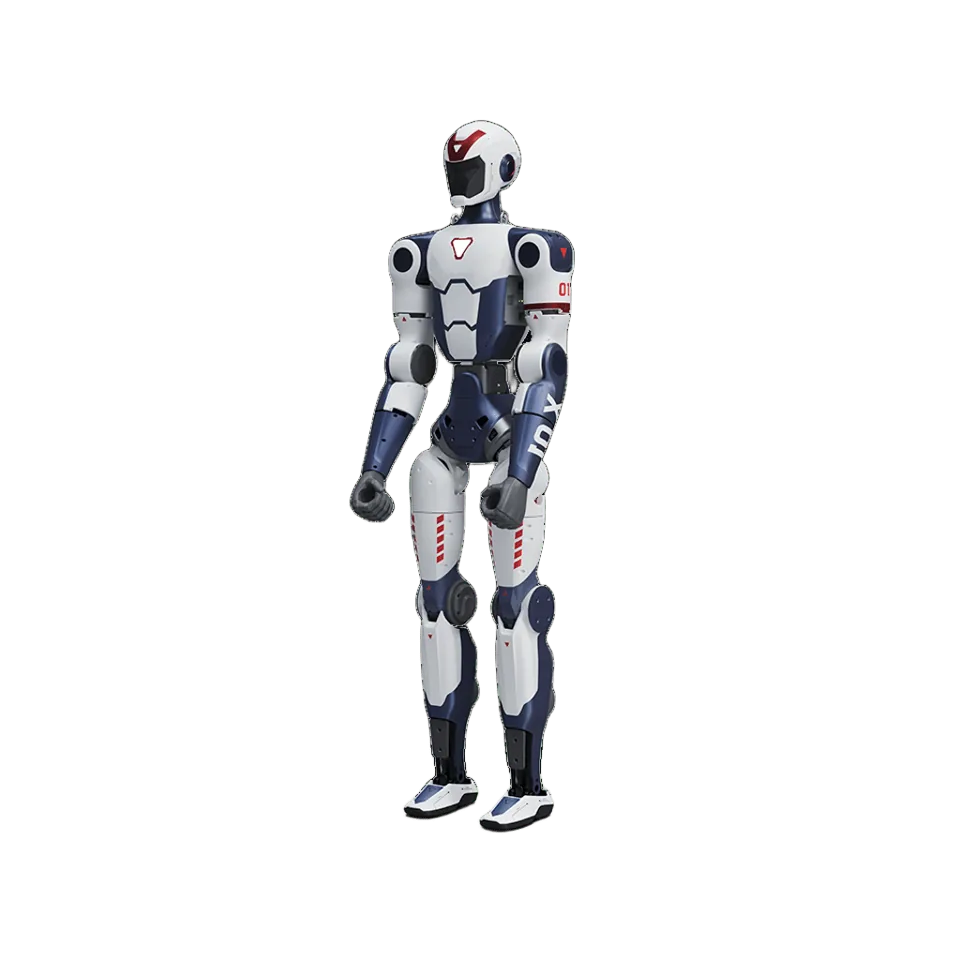
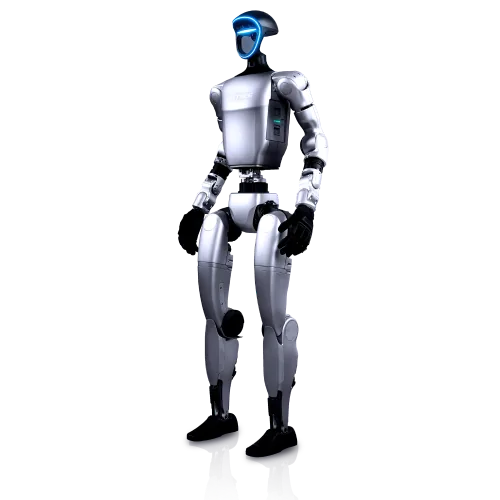
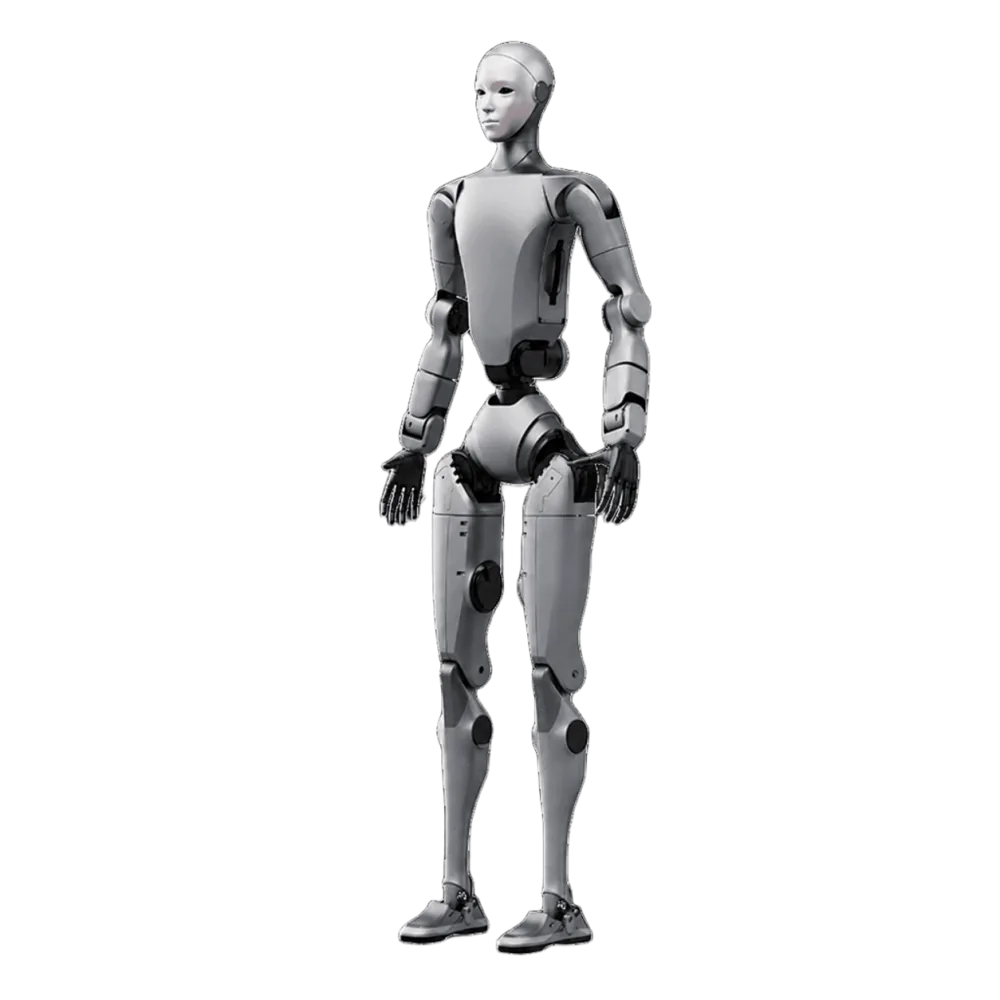
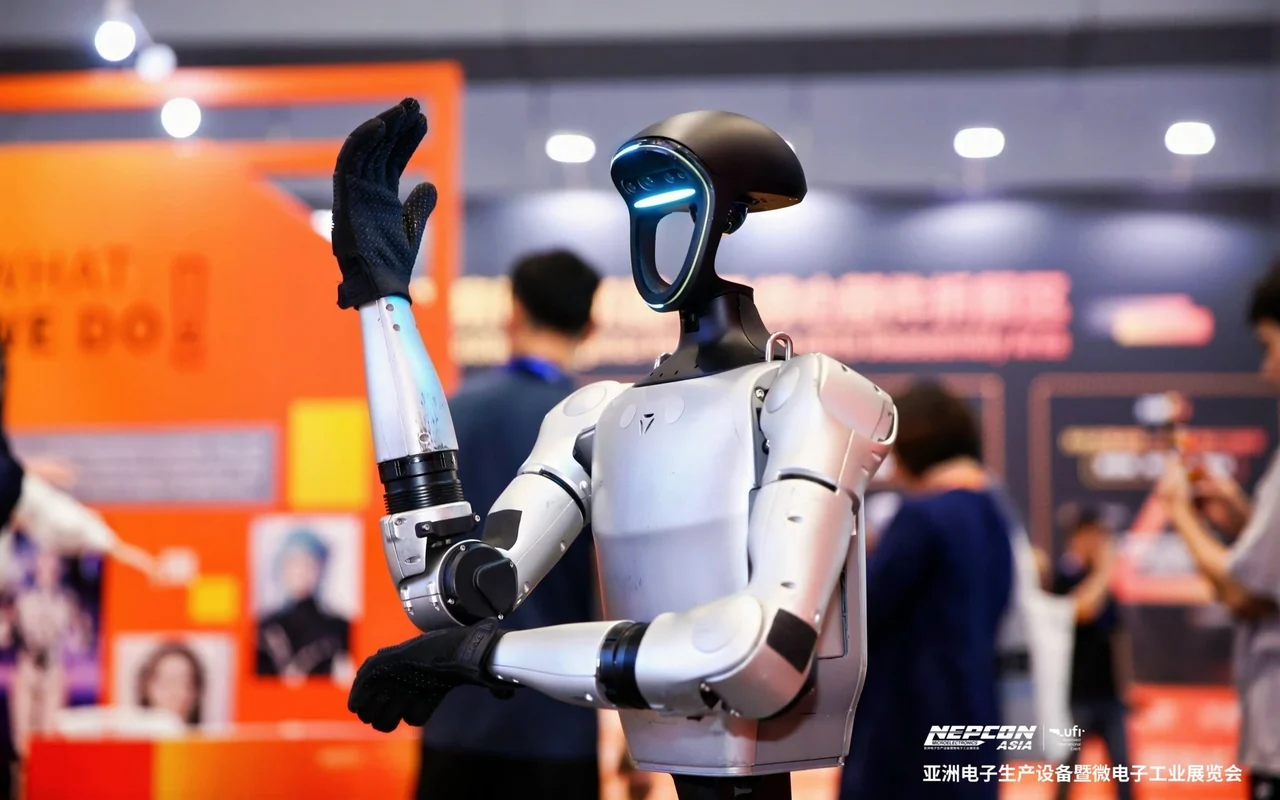
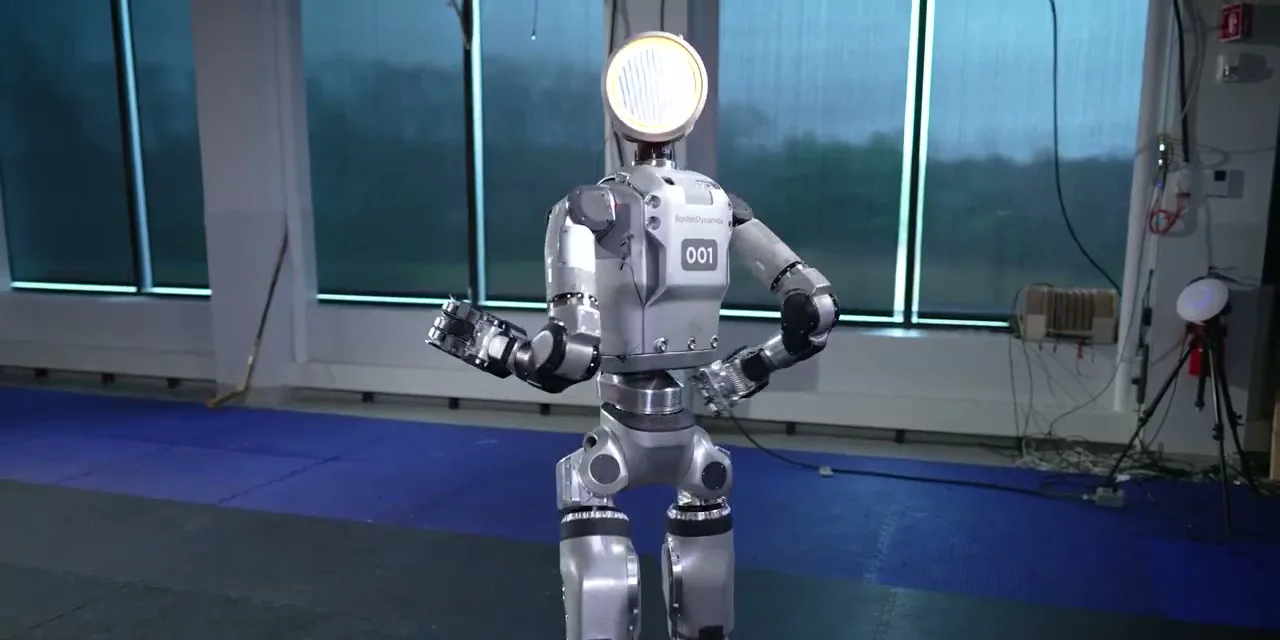
A showcase was G1’s performance at the CCTV New Year Gala: robots autonomously performed kung fu routines, trampoline flips, and ran up to 4 m/s. Wang Xingxing admits the main challenge is operating beyond staged environments, so the company is developing its own embodied AI models. Meanwhile, Unitree is expanding its lineup: full-size H2, compact R1 at about $4,000, and B2-W robot dogs.
Morgan Stanley doubled its forecast for humanoid sales in China for 2026 to 28,000 units. For buyers, Unitree’s public status means more transparency and fewer questions about supplier stability. But multi-fold growth in a year strains production and service, so when ordering, check delivery times, spare parts availability, and warranty terms.