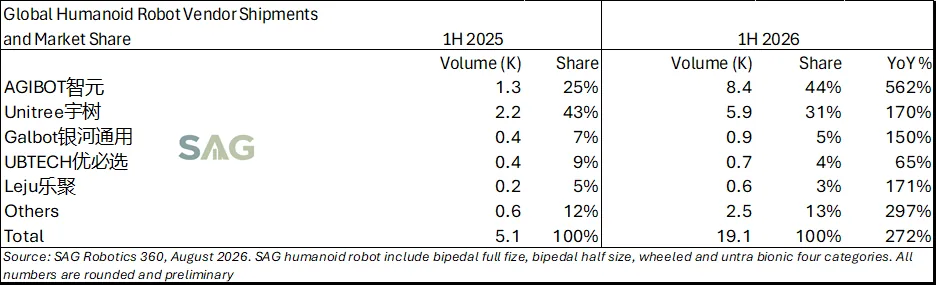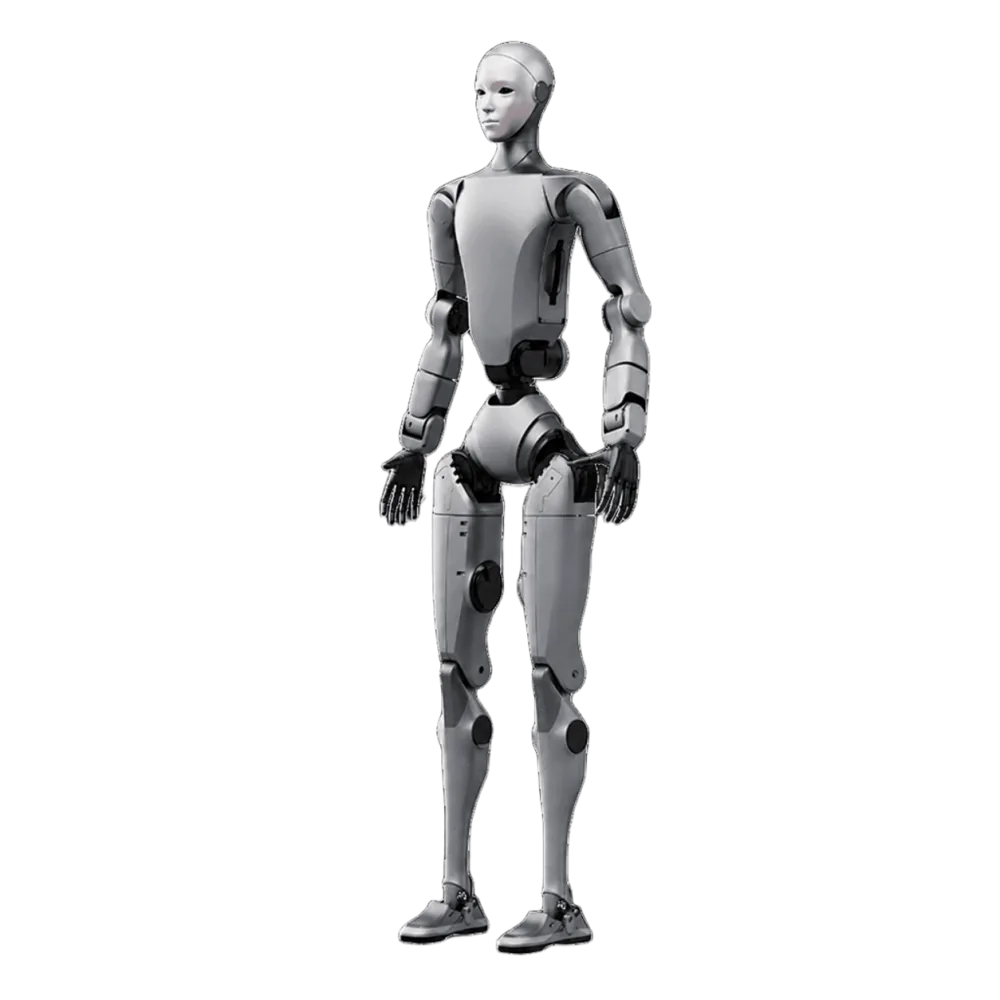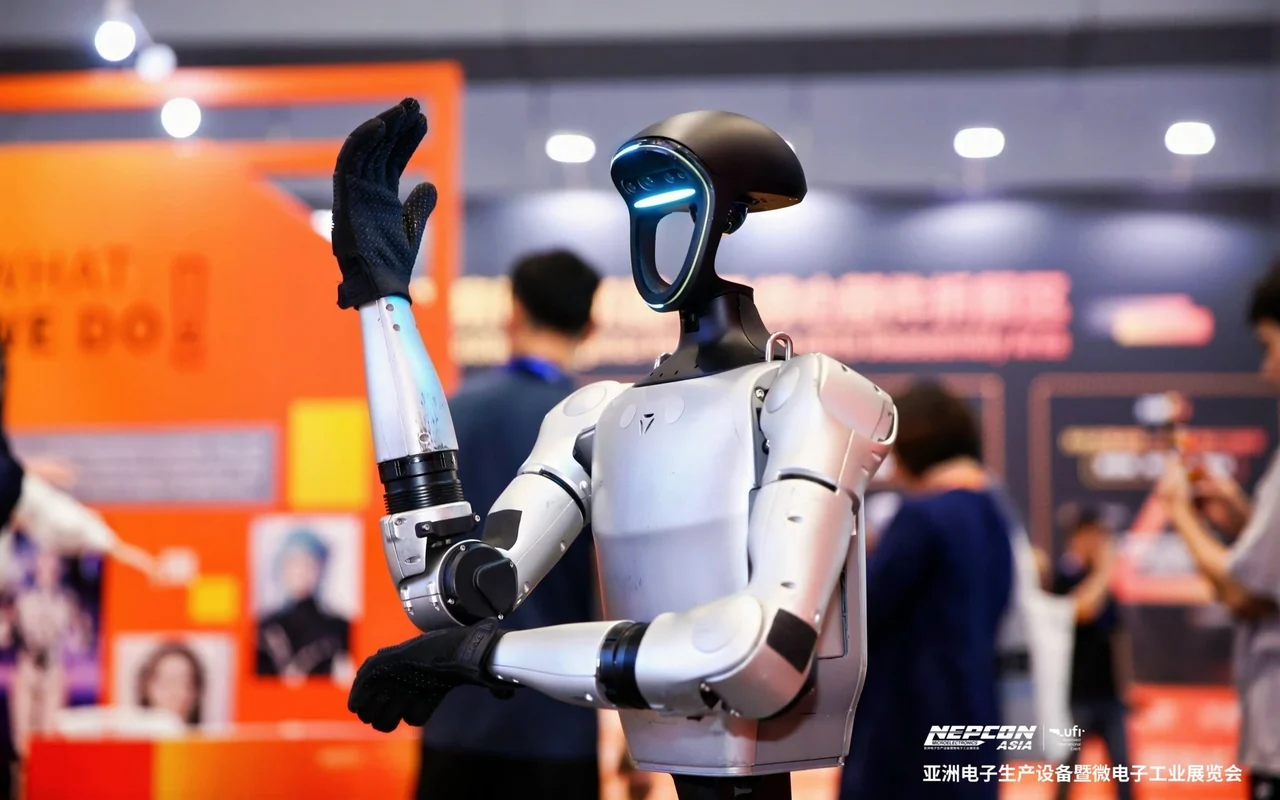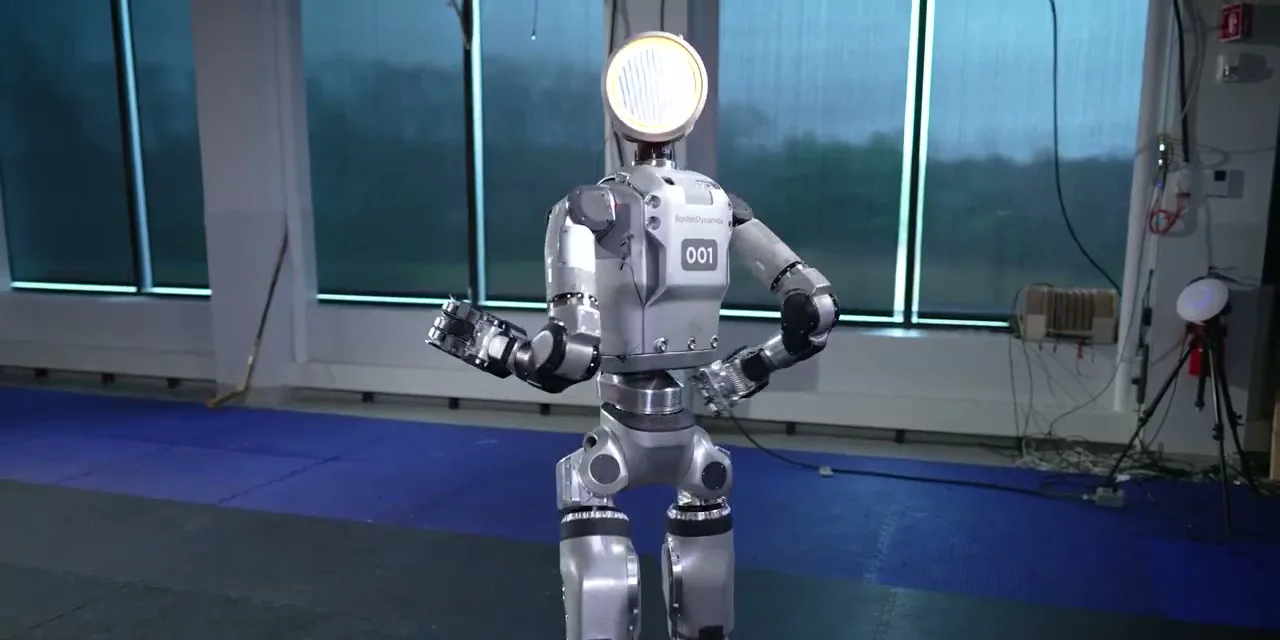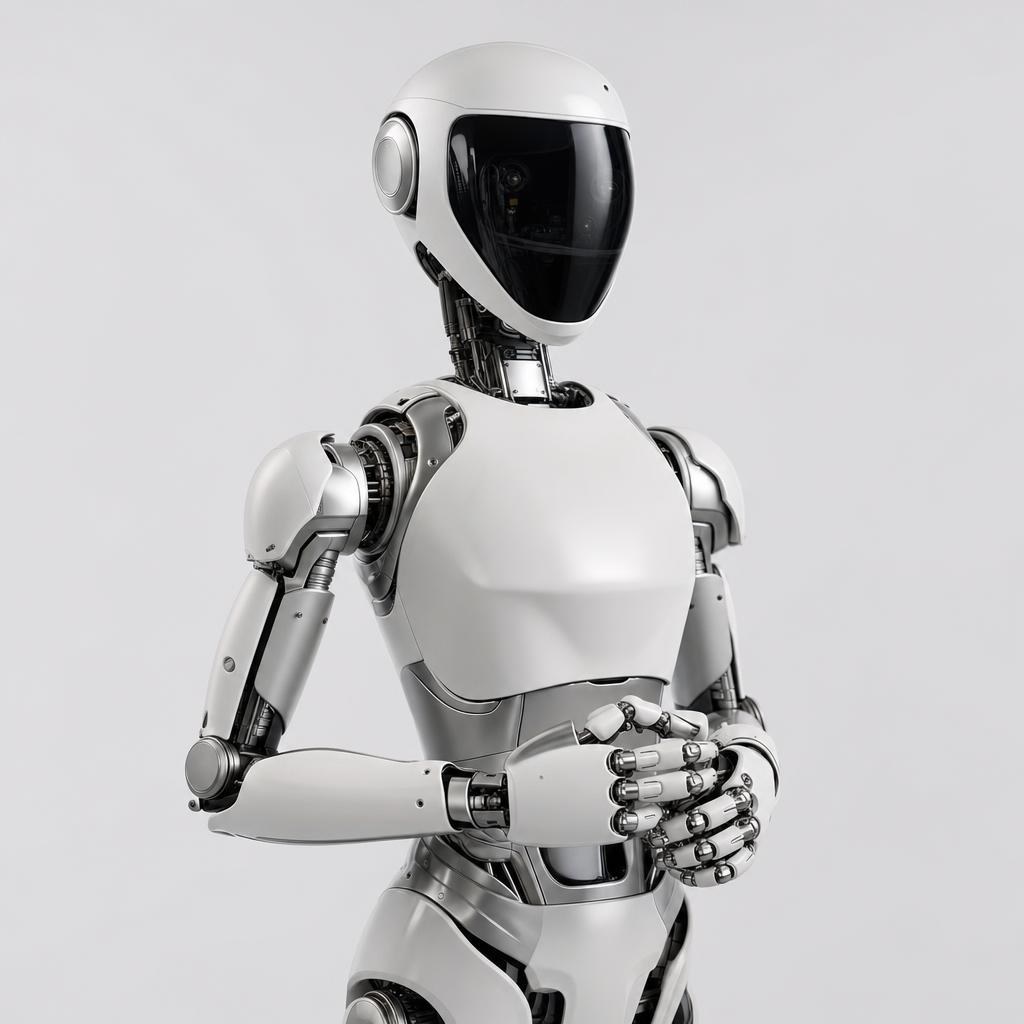
On August 10, analytics firm Smart Analytics Global (SAG) reported that about 19,100 humanoid robots were shipped worldwide in the first half of 2026, up from 5,100 a year earlier. That’s a 272% increase—nearly fourfold. On August 20, Counterpoint Research reported over 22,000 units and nearly 300% growth. The difference is due to methodology—analysts differ on which machines to count as humanoids.
According to SAG, AGIBOT shipped about 8,400 robots (+562%), taking first place with a 44% share, up from 25% a year earlier. Unitree, with 5,900 units (+170%), dropped to second place: its share fell from 43% to 31%. Together, they hold about 75% of the market. Next are Galbot (about 900), UBTECH (about 700), and Leju (about 600). Counterpoint’s ranking is similar: AGIBOT—9,700 units and 43.1%, Unitree—over 7,000 and 31.1%, with the top five accounting for about 86%.
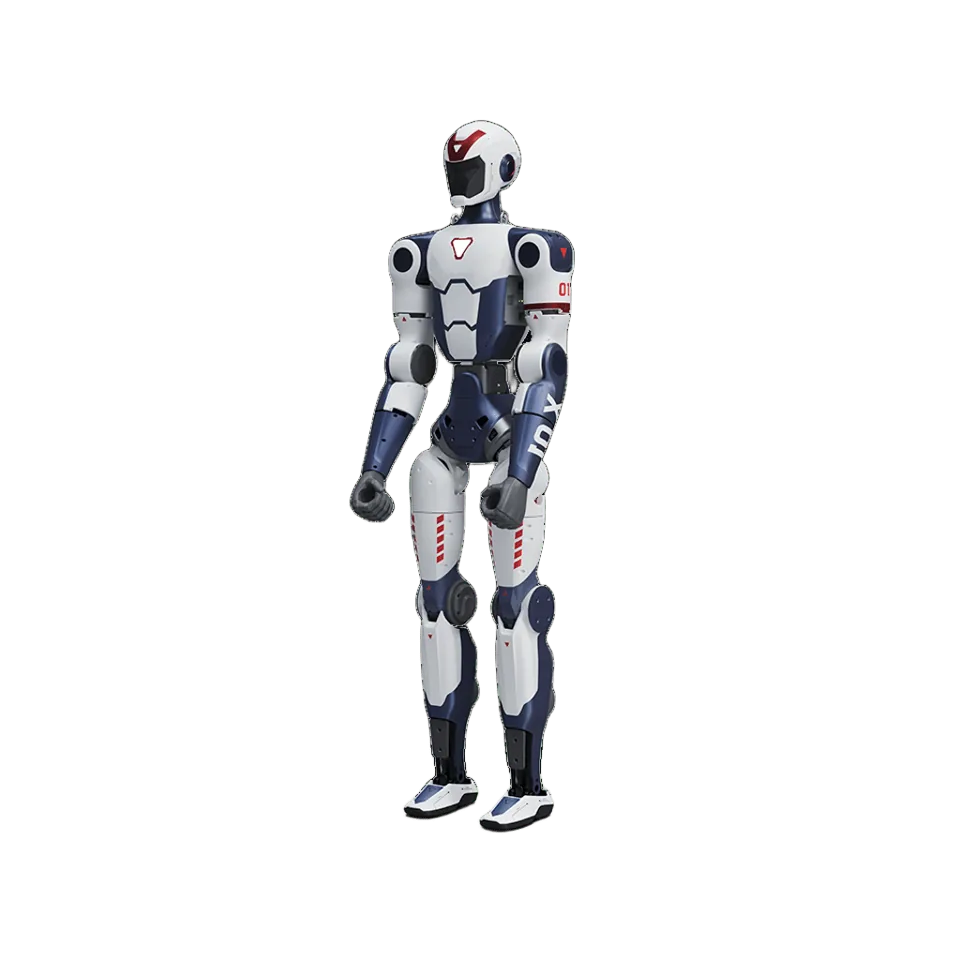
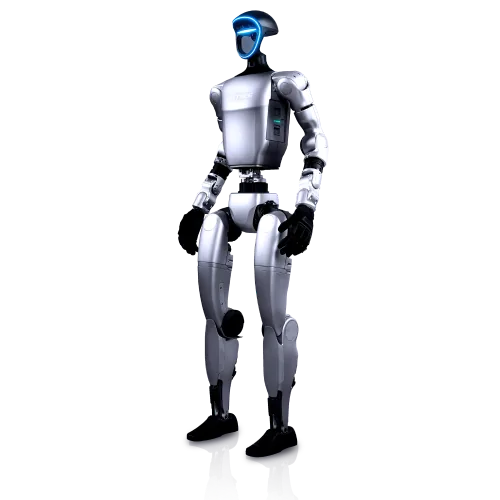
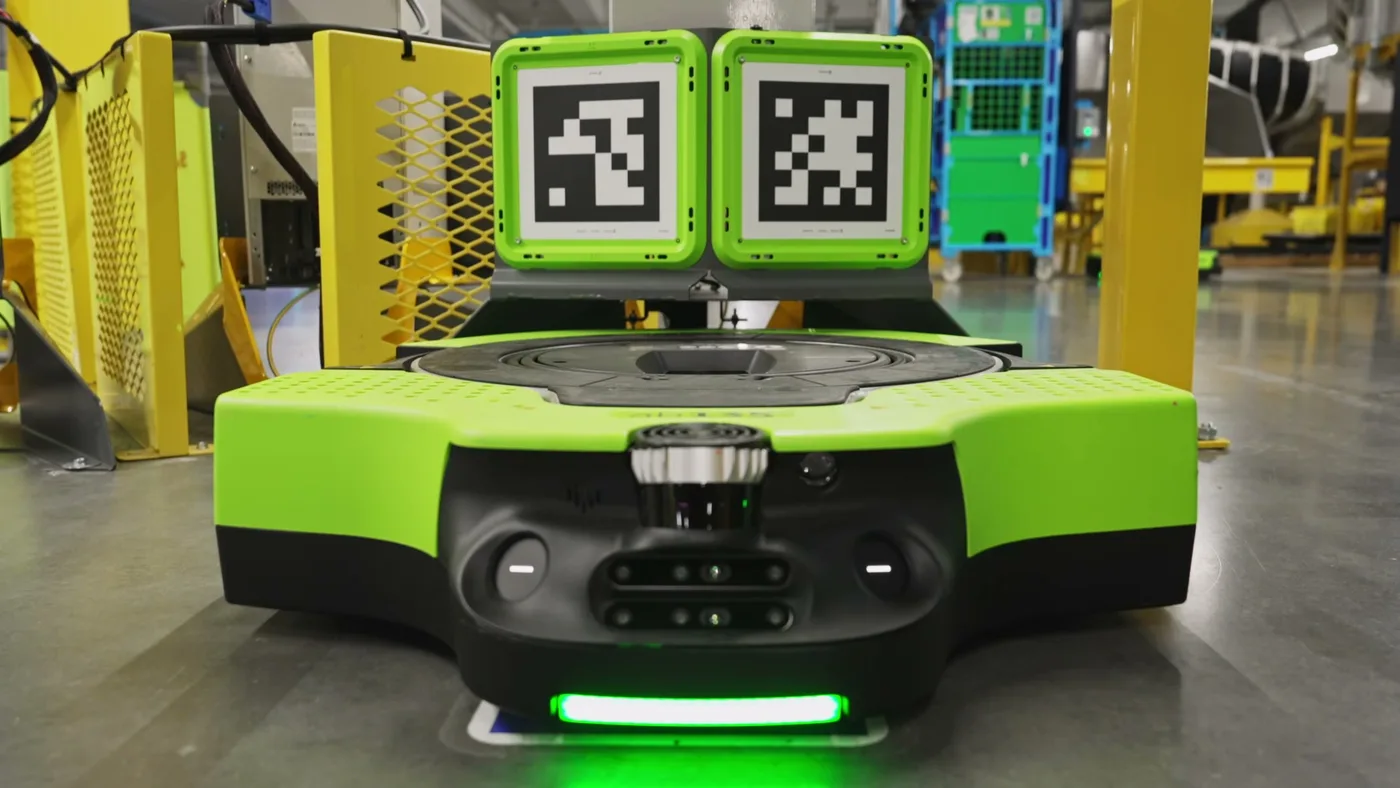
The leaders offer different models. AGIBOT’s lineup includes full-size bipedal A, compact bipedal X, and wheeled G models. Unitree’s volume is mainly driven by the compact bipedal G1: by mid-year, about 11,000 had been produced. Unitree insists that wheeled machines shouldn’t be counted with walking ones, and by its own count, had produced about 18,000 bipedal humanoids by August.
Chinese manufacturers accounted for over 97% of global shipments, with China itself representing over 85% of demand. SAG estimates industrial and commercial uses made up over 70% of deliveries, up from about 50% a year earlier. Counterpoint sees it differently: over 60% of shipments are for entertainment, performances, and data collection, with manufacturing and logistics at 12.8% and 4.9%. SAG believes universal home humanoids won’t become mainstream in the next five years.
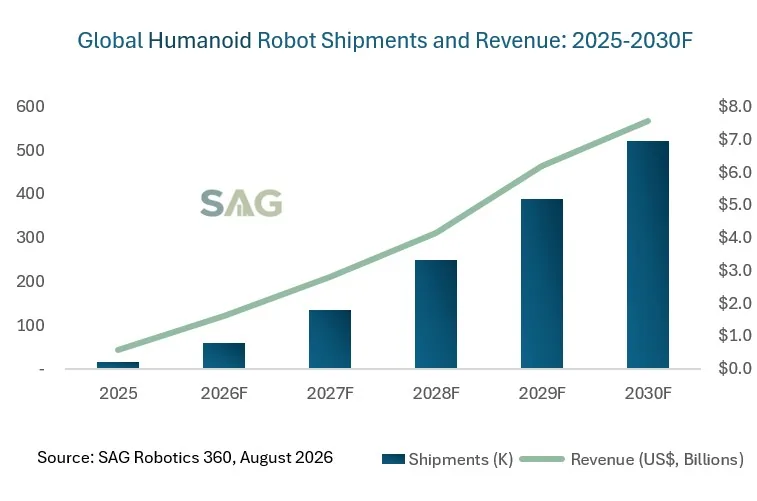
SAG expects about 60,000 shipments by the end of 2026, with industry revenue around $1.6 billion and up to 500,000 units per year by 2030. Counterpoint forecasts over 50,000 per year. For buyers, this means supply is growing rapidly, mainly due to Chinese brands. But rankings depend on methodology, so it’s best to compare manufacturers by specific models and use cases, not just chart positions.