China’s General Administration of Customs reported results for the first five months of 2026: from January to May, the country exported 10.377 million robots worth 19.99 billion yuan—about $2.8 billion. Robots were shipped to over 150 countries and regions, with the EU and ASEAN named as top destinations.
Household machines make up the bulk. Cleaning robot exports reached 14 billion yuan in five months, over 70% of total shipment value. Brands bringing robot vacuums to North America and Europe, according to EqualOcean, include Ecovacs, Roborock, and Narwal—many now generate a significant share of revenue abroad.
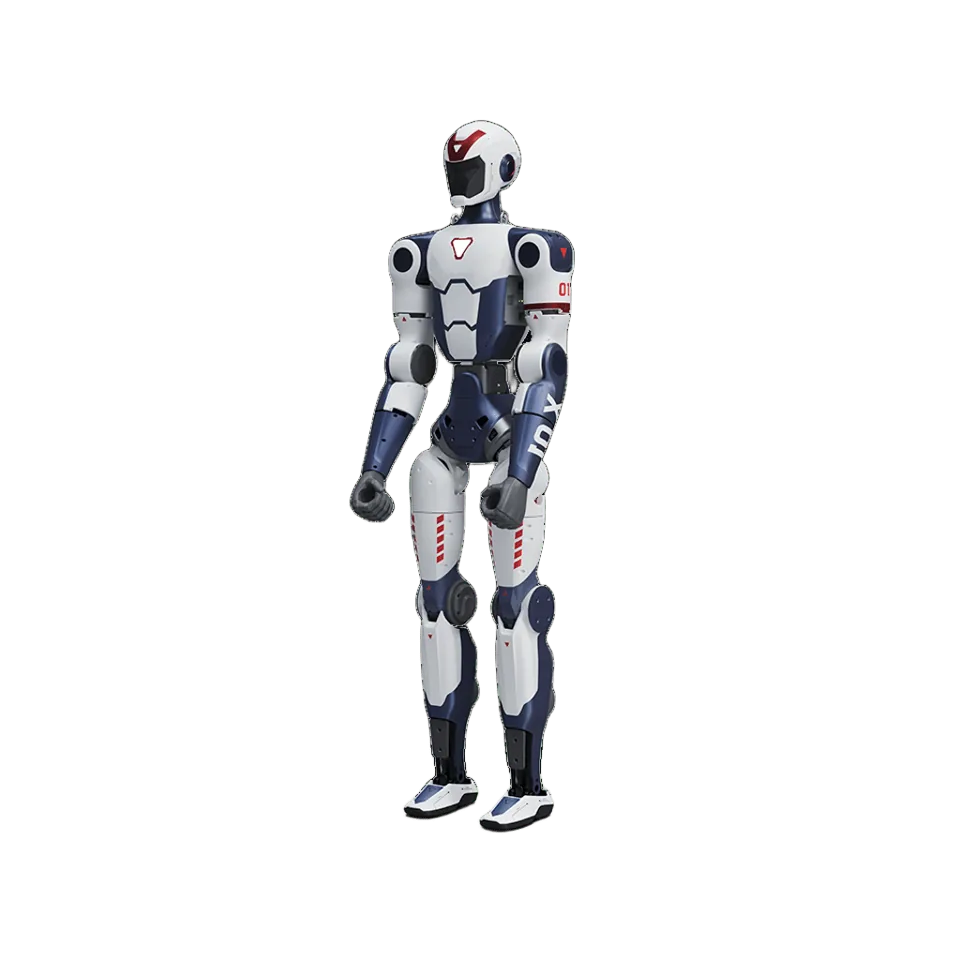
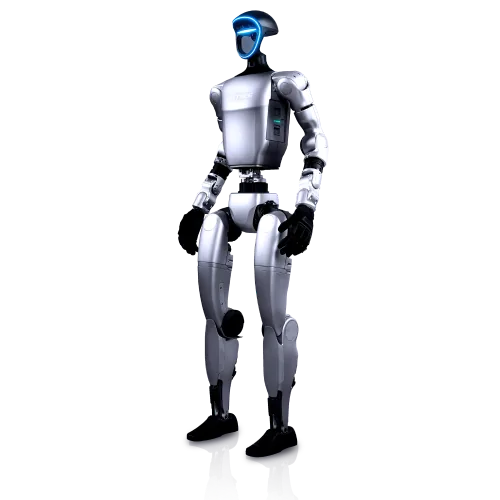
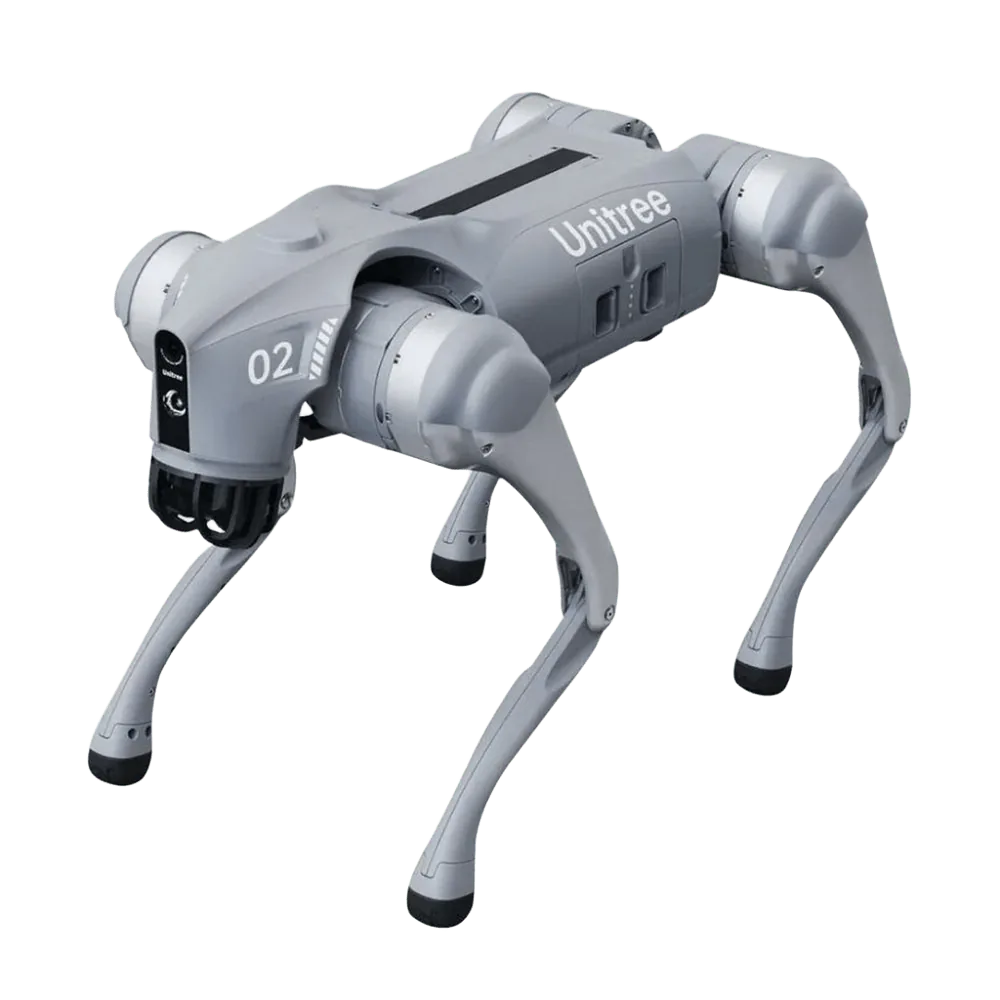
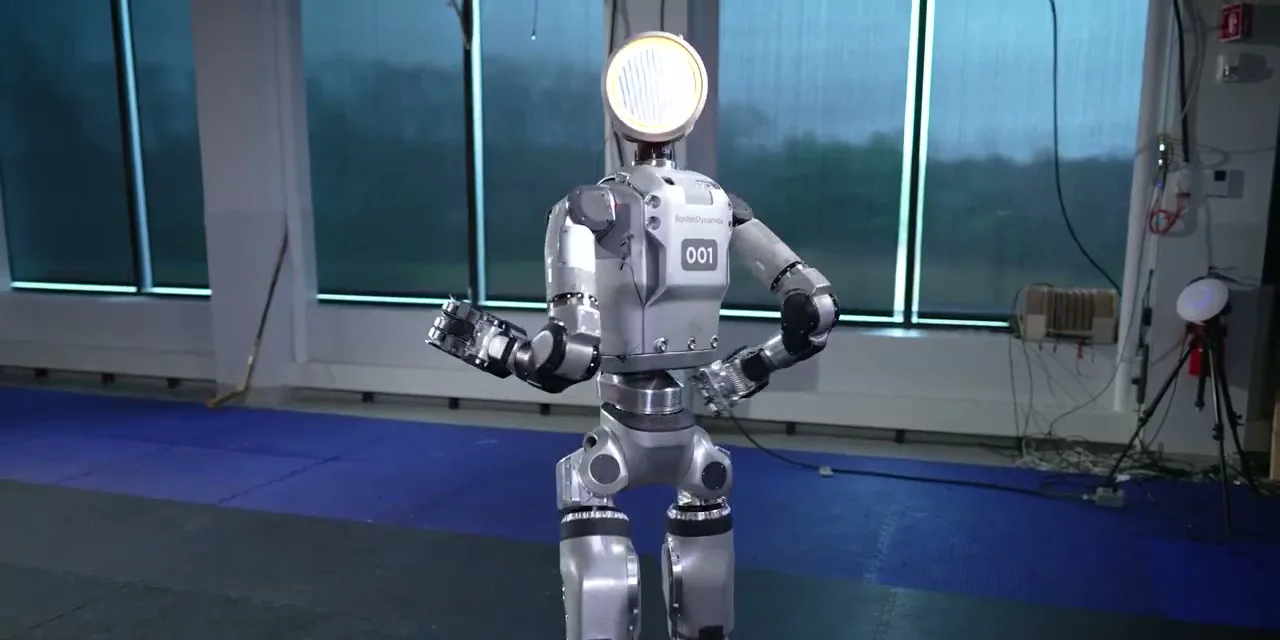
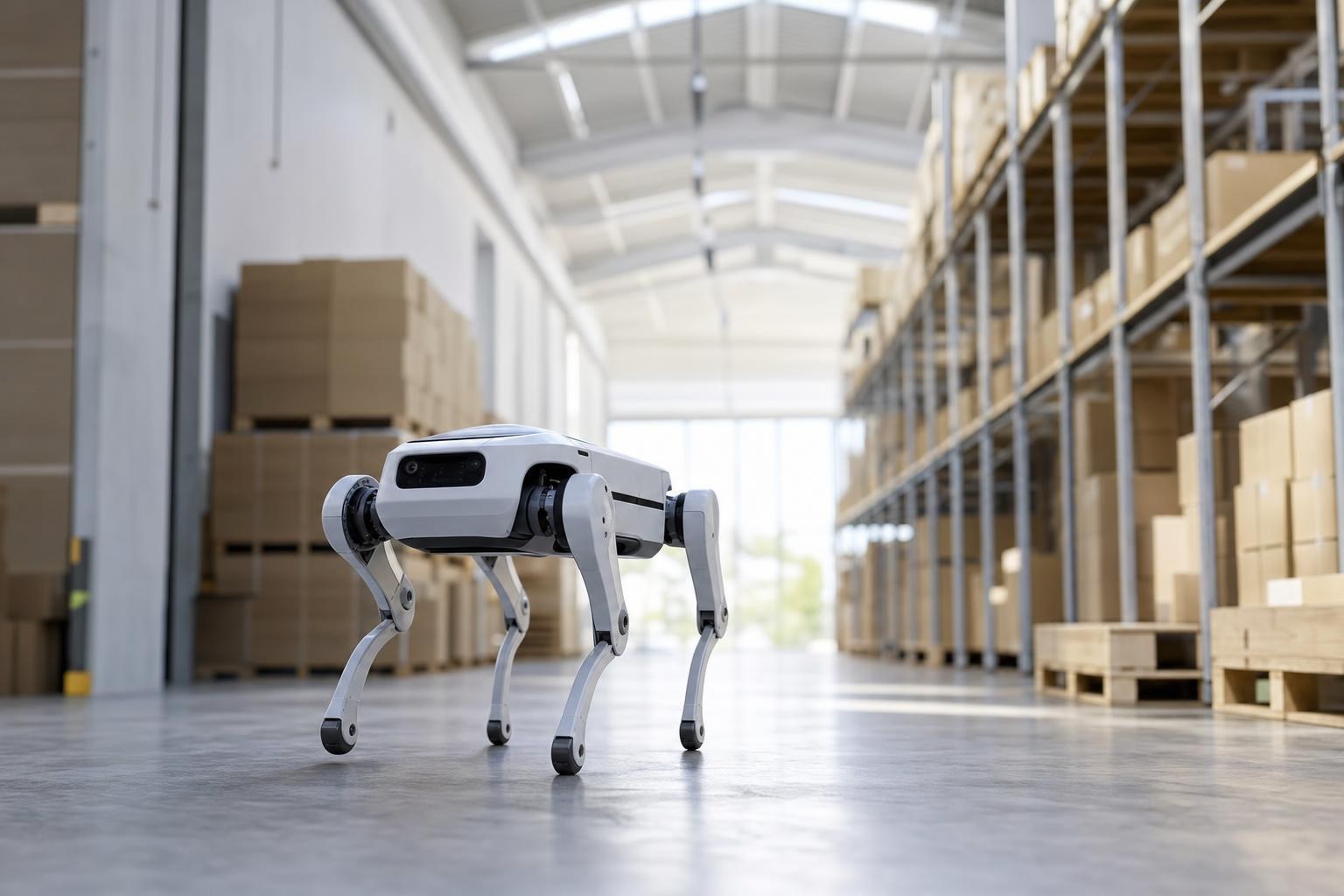
About 70,000 industrial robots were exported in the same period, along with over 8,000 “smart bionic” robots—walking and anthropomorphic machines for equipment inspection, science, education, and public services. By mid-year, industrial robot exports hit 6.29 billion yuan (about $930 million), up 18.6% year-on-year, with shipments to 141 countries. Growth is attributed to 2025, when China exported more industrial robots than it imported for the first time.
Niche segments are growing fastest: surgical robot exports more than tripled in six months, reaching 480 million yuan. Cleaning and bionic robots together brought in 18.09 billion yuan. Manufacturers increasingly sell not just hardware, but turnkey automation with service.
For buyers, this means a wide selection of mass-produced equipment with established logistics and spare parts: the manufacturing base behind importers’ assortments is expanding beyond vacuums. Analysts note that major markets are tightening cybersecurity and data processing requirements—when choosing connected robots, it’s important to clarify where data is stored and how firmware is updated.