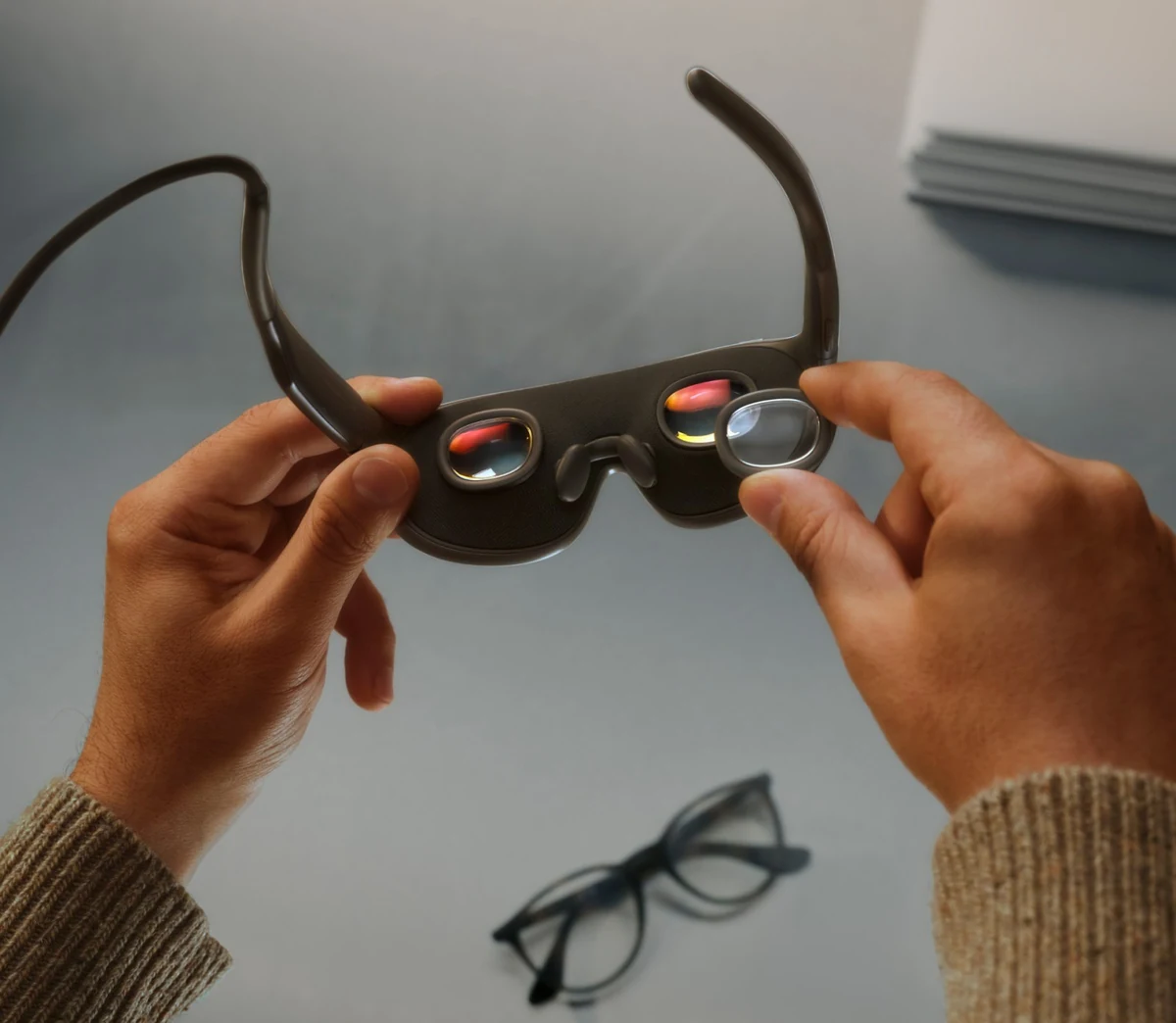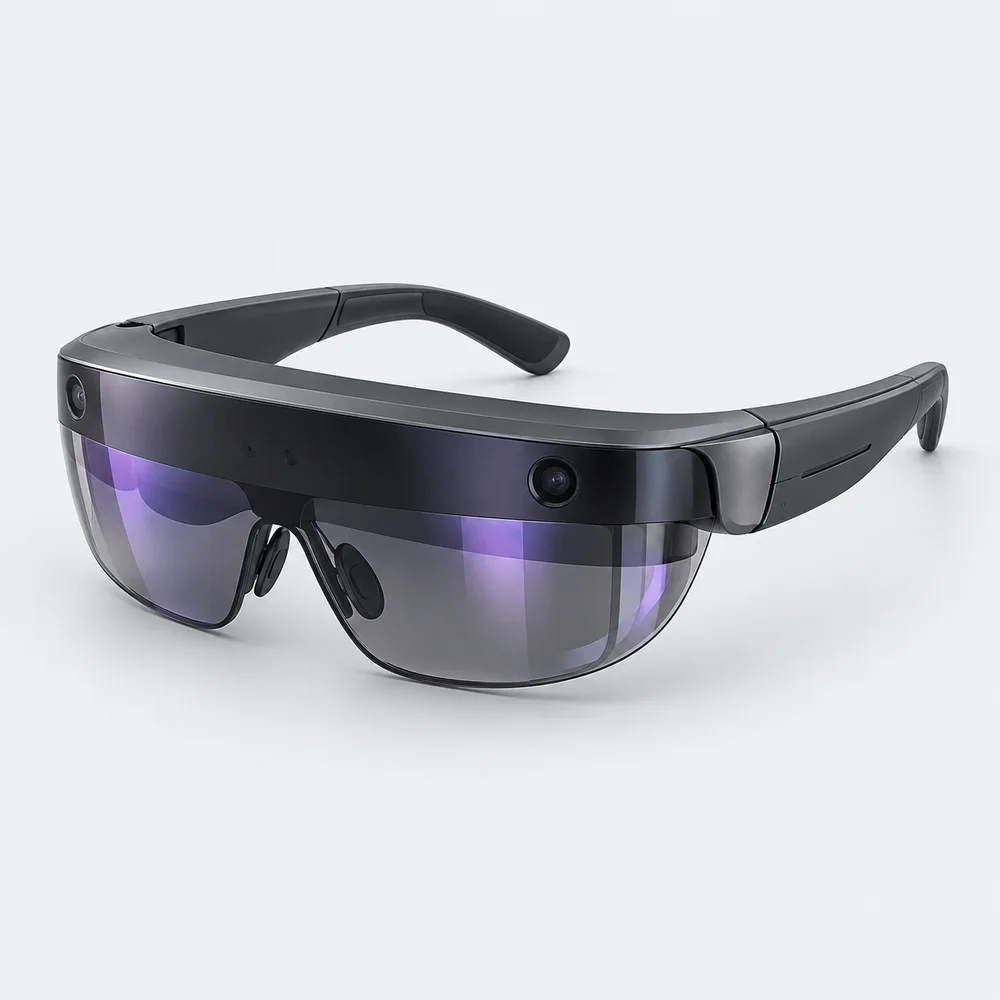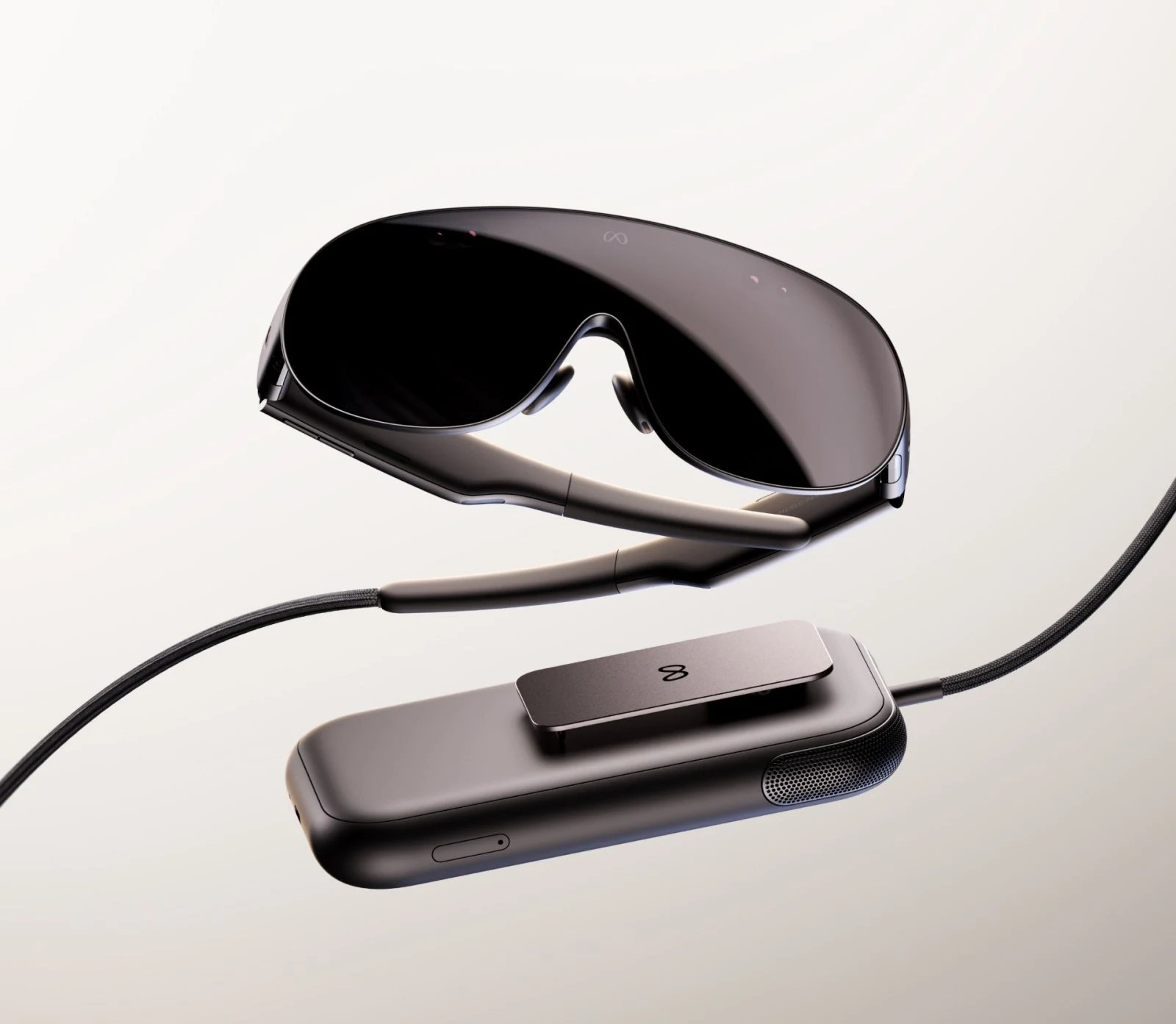
On September 23 at the Connect 2026 conference in Menlo Park, Meta unveiled Meta VR Glasses — virtual reality in a glasses form factor, not a headset. Weighing about 100 grams: five times lighter than the Quest 3, which is around 515 grams. This was achieved by moving the computing unit, storage, and battery to a separate wired module.
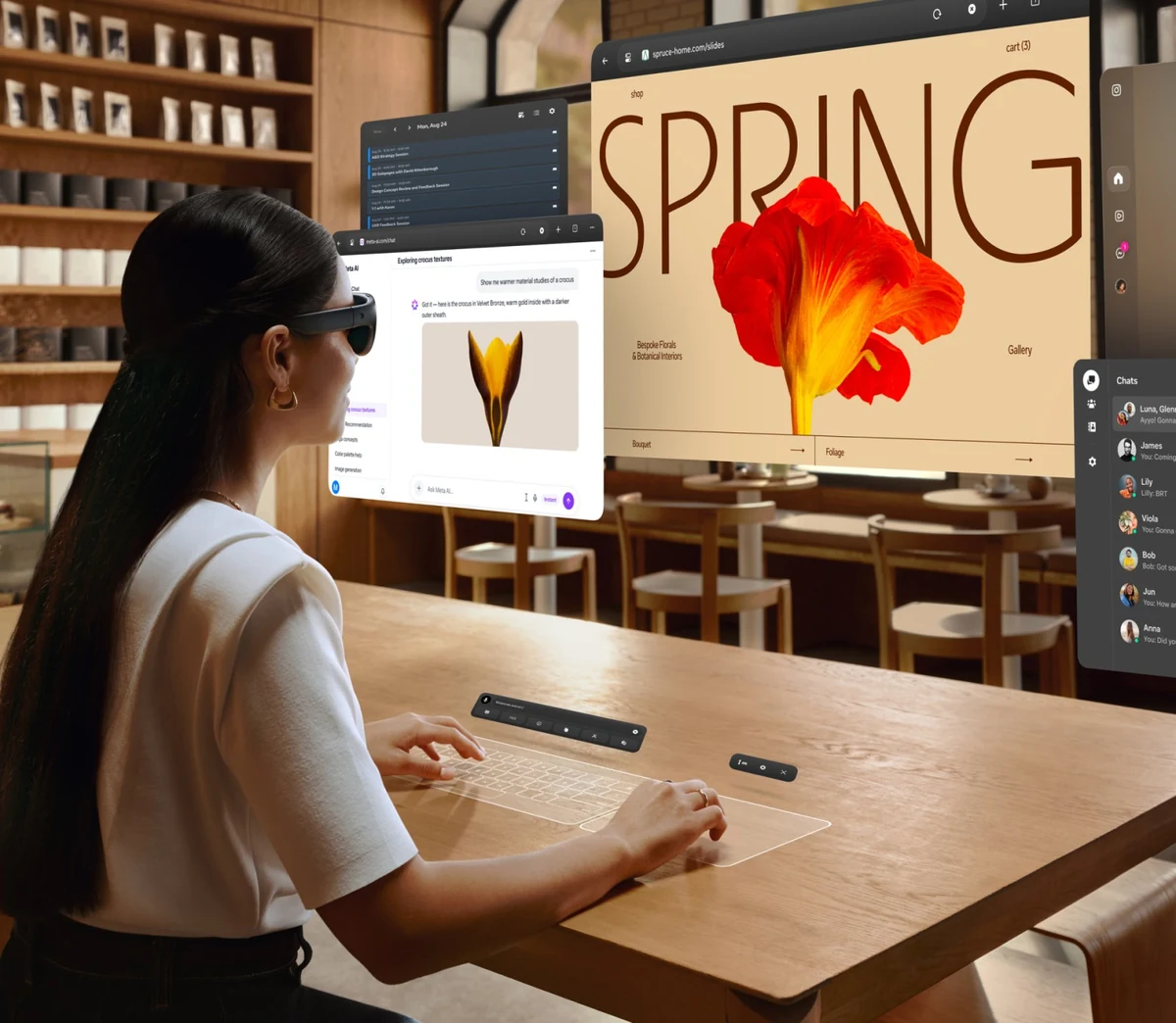
Inside are micro-OLED panels, which Meta calls the 5K Infinite Display, pancake lenses, full-color passthrough, and support for Dolby Vision with Dolby Atmos. This is the first VR device certified as IMAX Enhanced. Processor: Qualcomm Snapdragon Reality Elite. Controls include eye tracking, gestures, and voice; Touch Plus controllers remain optional. The glasses can connect to a Windows or Mac computer and be used as work displays.
Battery life: up to three hours of continuous playback, 45W charging. Price: $1,299, sales start spring 2027. Meta has not named the countries where the device will be available.
This is not a Quest 3 successor, but a separate product line. The bet is that users are willing to wear a cable to an external module in exchange for the weight of glasses instead of a headset.
Press reviews are mixed. The lightness and image quality are praised, but journalists at the event were not allowed to handle the device — only a video was shown. Limited field of view is also noted. There will be no way to test these impressions until spring 2027.
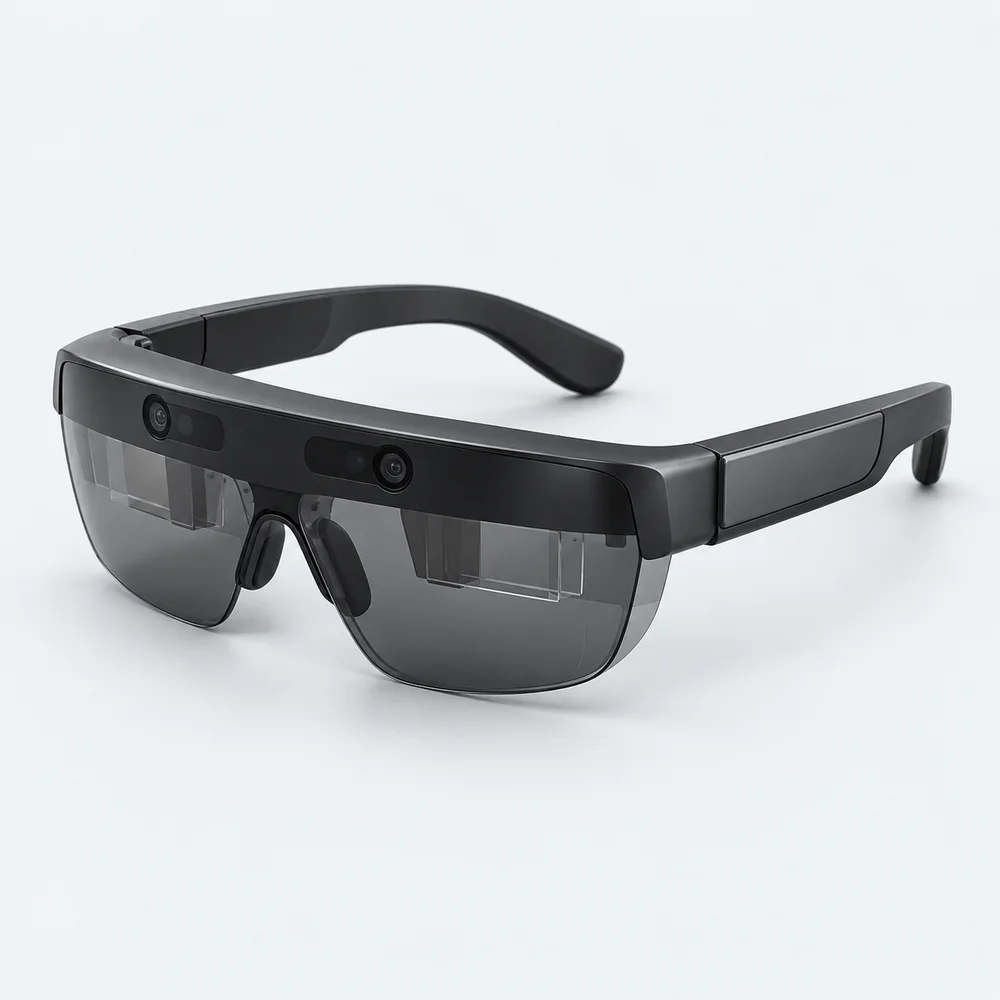
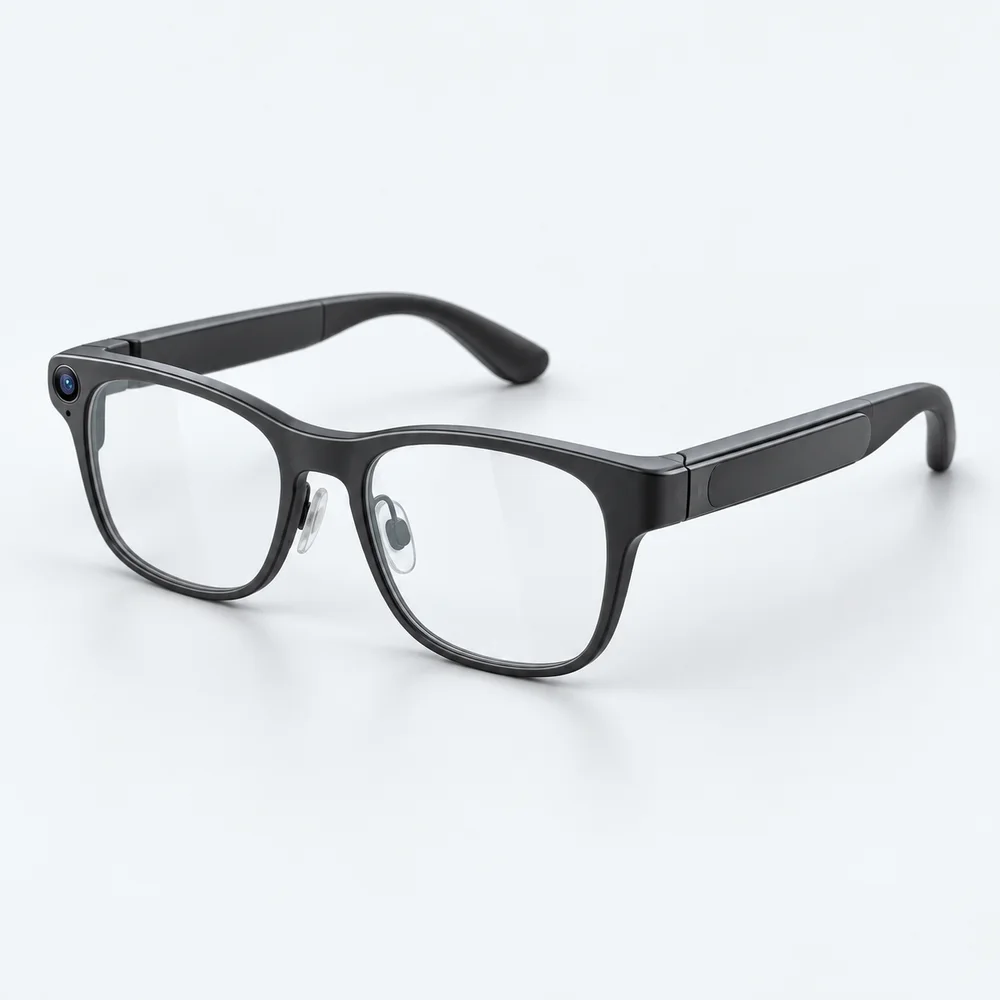
For the smart glasses market we work with, the key signal is that a major player is publicly moving computing out of the frame to an external module to keep weight down. Chinese brands — Xreal, Rokid, RayNeo — are taking the same approach, making display glasses that connect to a phone or separate module. The difference is, their devices are available now, while Meta VR Glasses will arrive in a year and a half.