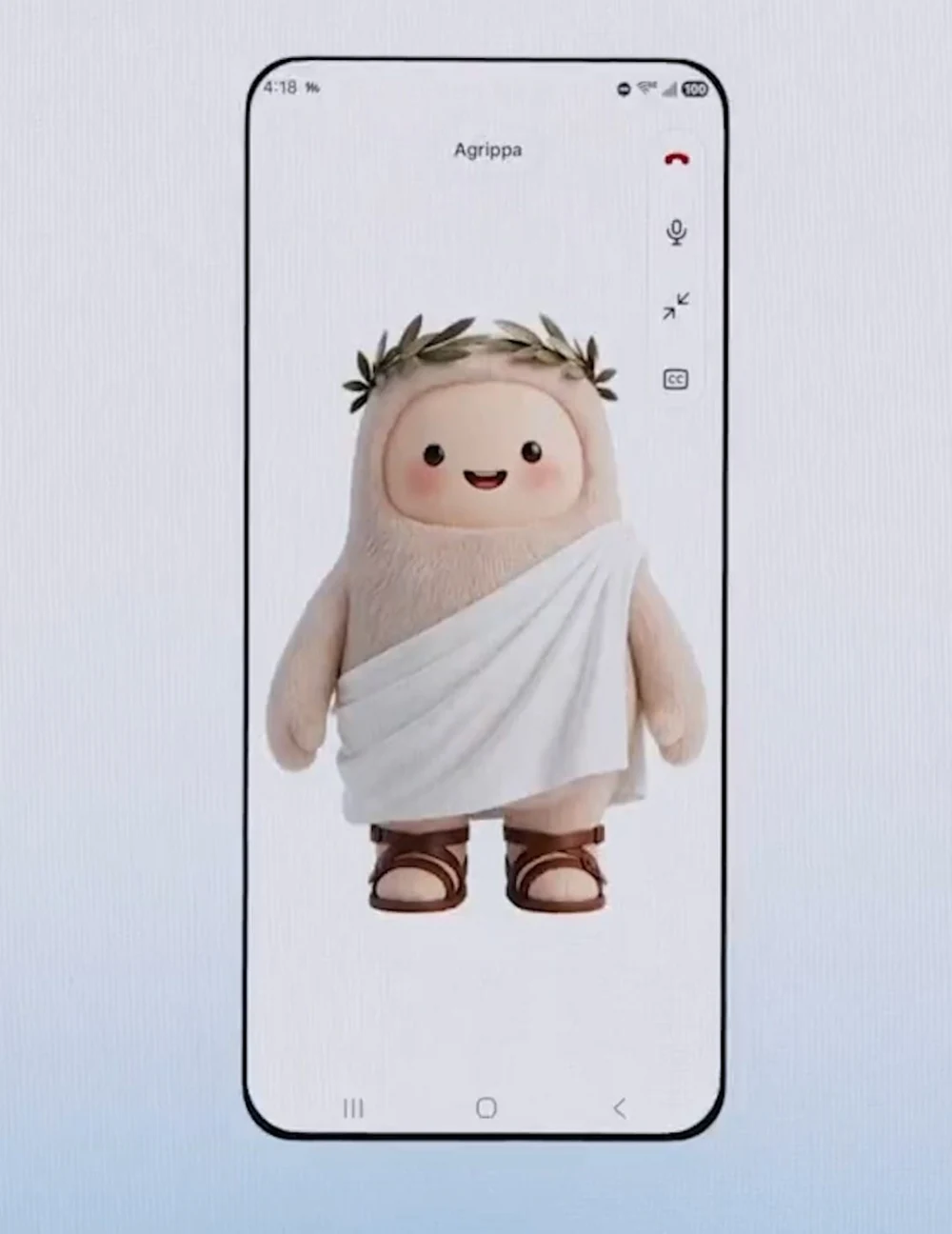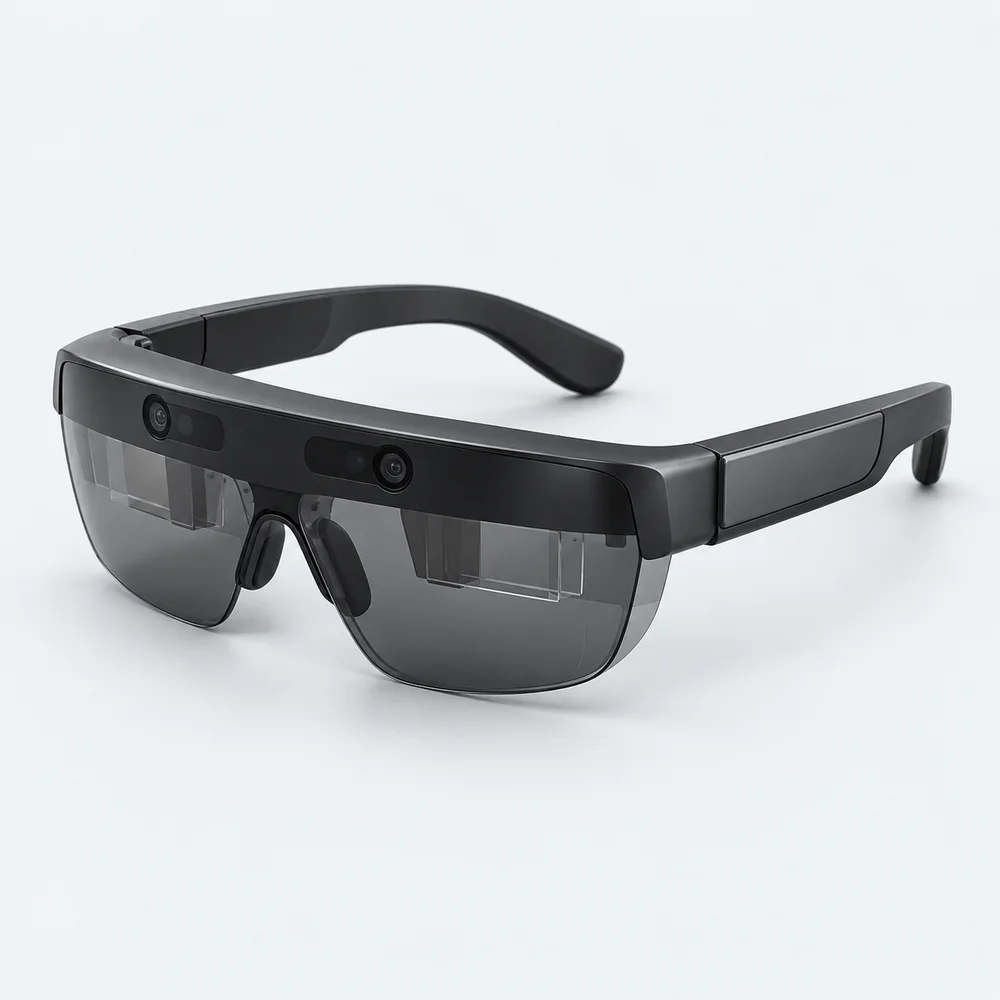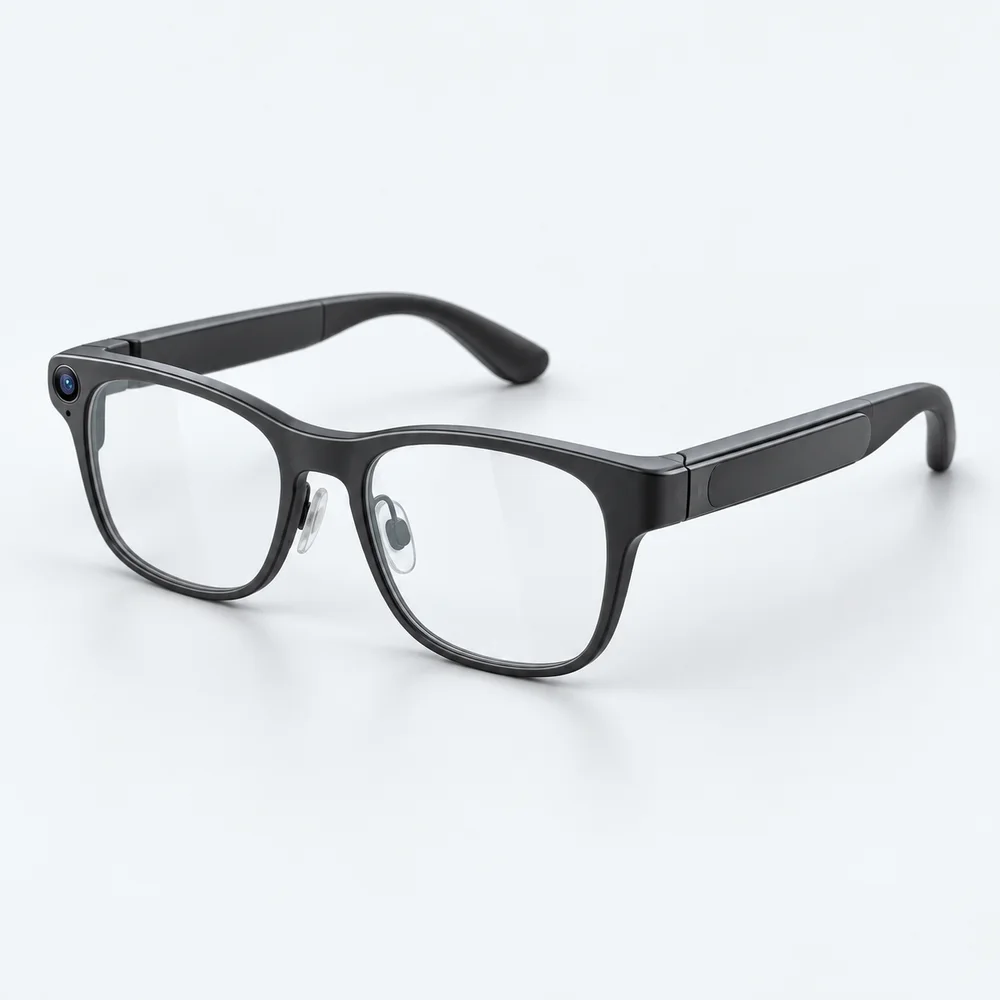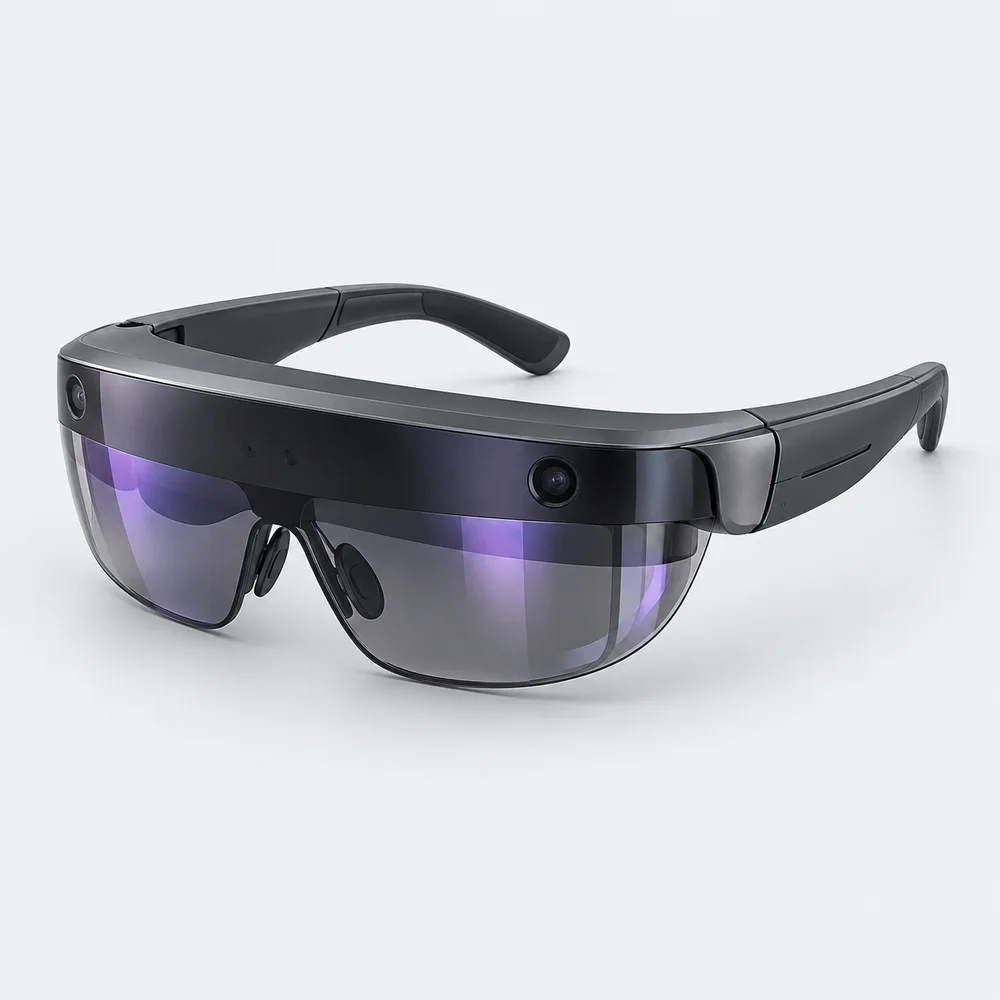
Alongside the glasses at Connect 2026, Meta showed Muse Charm — a pocket device for its AI agent Muse. The device is keychain-sized and can be attached to your keys. The press immediately compared it to a Tamagotchi.
According to stage reports, Charm has a two-inch touchscreen OLED display with an animated avatar, speakers, microphones, two cameras, 5G, and a fingerprint scanner on the side: touch to start a conversation. Inside runs Meta’s voice model, responding in real time. You can customize the avatar’s appearance, clothing, voice, accent, and speech tempo.
The company has not announced a price. The $349 figure circulating online is speculation, with no official confirmation. Launch is promised by December 2026, but Meta’s press release is more cautious: “details later in 2026.”
The most telling moment was on stage: the development team admitted they haven’t yet figured out how to fit the components into the case. In other words, the public saw not a finished product, but a working prototype with a set release date.
Reactions are split. The main question: why a separate device when the same agent already works on phones, browsers, and messengers? The second: will people really talk to a keychain in public? For a company that spent three years selling the idea of virtual avatars in a headset, this is a notable shift.
We find this story interesting as a test of the hypothesis: does an AI assistant need its own hardware? Our catalog already includes such devices — voice recorders with speech recognition, desktop companion robots, smart speakers. Each answers the same question differently, and none has given a clear answer yet. Muse Charm is another attempt, and its fate will show if the format has a future.